The Baseline Standard of the Entry-Level Pour
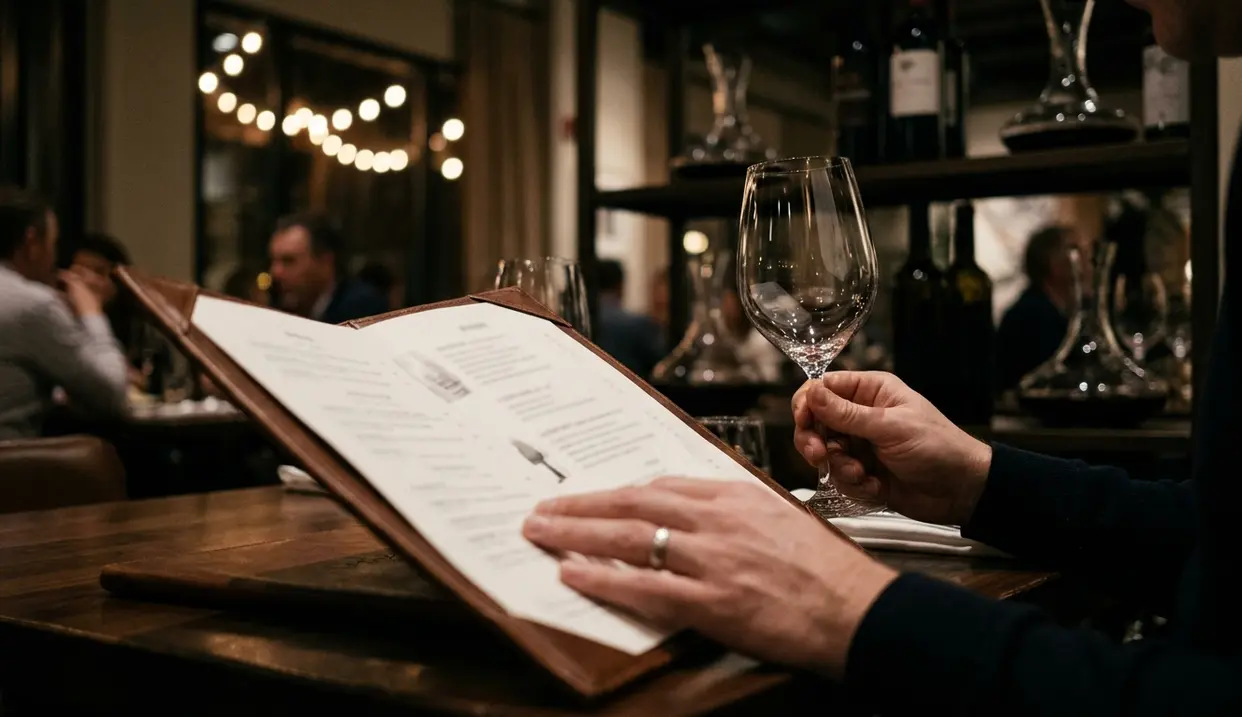
Opening a long wine list often triggers a quiet, unspoken anxiety at the table. Eyes immediately drift to the right side of the page, scanning the column of numbers before even registering the producers, vintages, or regions. The absolute cheapest bottle on that list carries a heavy stigma. Diners frequently assume it represents a lack of sophistication or a desperate compromise for the budget-conscious.
The reality of beverage programming tells a completely different story. The lowest-priced bottle serves as a strict quality-control test for the entire restaurant.
The beverage buyer selected that specific wine, accepted the delivery, stored it properly in the cellar, and trained the floor team to serve it. Placing an embarrassing or flawed wine at the entry point would instantly undermine guest confidence in every higher-priced recommendation on the menu. A reputable sommelier stakes their reputation on that baseline pour.
Evaluating the Bottom-Three Ladder
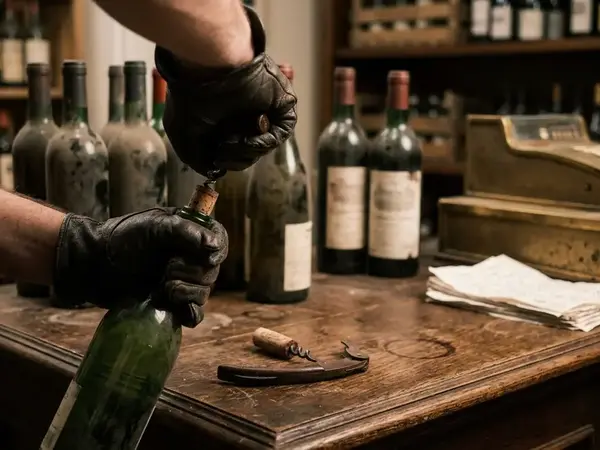
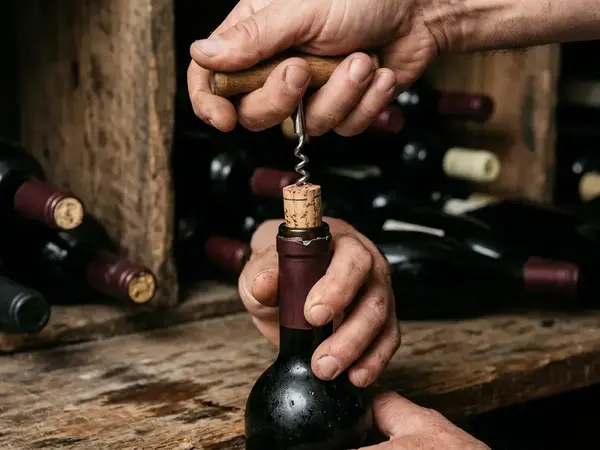
A sound opening check takes roughly 30 to 60 seconds at the table. The server will inspect the cork, smell for cork taint or oxidation, and then taste the wine before pouring for the rest of the guests. This ritual applies just as rigorously to the entry-level bottle as it does to a rare, decades-old vintage.
To accurately gauge this cellar baseline, compare the bottom three bottle prices within one color and format. Mixing a 750 mL still wine with a half-bottle, a sparkling wine, or a fortified wine produces a false baseline and skews the comparison. Read the three least-expensive 750 mL bottles together to understand the true foundation of the program.
Anatomy of the Second-Rung Markup
The second tier attracts diners precisely because it communicates a willingness to spend above the absolute minimum. People naturally gravitate to the second-cheapest option to avoid looking frugal in front of their guests, dates, or business associates. Restaurant management anticipates this exact psychological behavior. They build their inventory and pricing models around this highly predictable choice.
Bulk-purchased, commercially recognizable wines are frequently slotted into this specific tier to maximize profit margins. On a list whose first rung sits somewhere in the mid-forties, moving the familiar option into the mid-fifties creates a modest-looking step of a few dollars. That small jump generates significantly more gross dollars on every automatic order. It is a reliable method for stabilizing beverage revenue across a busy dining room.
Spotting the Recognition Premium: Scan the lowest five to eight prices for repeated grapes and regions. A recognizable label surrounded by less familiar wines at similar prices serves as the primary signal of a markup trap.
The trap relies entirely on comfort. Diners pay a premium for the relief of pronouncing a familiar appellation and avoiding a vulnerable conversation with the staff.
Following the Invoice Trail Behind the Menu
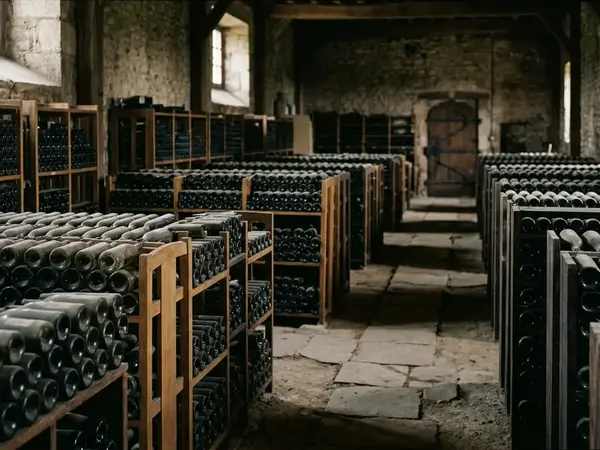
Behind the physical menu lies a carefully structured inventory system separated by operational roles. Beverage directors balance the cellar between reliable cash cows and limited passion projects. A cash cow is easy for guests to identify, can be reordered predictably from major distributors, and needs little tableside explanation. These bottles fund the more adventurous parts of the program.
A passion project usually arrives in a smaller parcel. It appears on the list because the buyer deeply values its origin, farming method, or historical significance. These wines consume staff time through mandatory tasting sessions and tableside storytelling. A practical invoice audit compares six to ten adjacent 750 mL bottles and records the landed cost, menu price, gross dollars, and price multiple. Restaurant bottle pricing commonly becomes less mechanically proportional as the wholesale cost rises. Academic reviews of restaurant wine pricing strategies frequently highlight this inverse relationship between wholesale cost and markup percentage.
Inventory behavior supplies a second clue for the curious diner. Cash-cow wines are commonly reordered by the case to keep up with steady demand. A small allocation may arrive as two to six bottles and disappear completely after several busy services.
Pricing models differ substantially between casual bistros and fine-dining rooms. Rent, cellar labor, glassware, breakage, and storage simply are not comparable across the two. So the recurring lower-middle markup strategy is best read as a diagnostic pattern rather than absolute proof about any single bottle. The bistro-to-fine-dining invoice fence requires careful navigation.
Unearthing the Buyer's Hand-Sold Allocations
Beverage directors hide the wines they are personally excited about in plain sight. They position lesser-known regions or obscure grape varieties at prices remarkably similar to the second-cheapest recognizable brand. These obscure wines carry lower markups, and they require a dedicated hand-sell from the staff to move out of the cellar.
Keep your search within about five to twelve dollars of the familiar bottle to maintain a focused comparison. This tight radius isolates the recognition premium from the actual liquid value. Bottles made from Bobal, Mondeuse, Godello, or Listán Negro are strong candidates for value. Many diners simply do not order them by name. The buyer has far less room to charge for brand recognition.
Extracting Tasting Notes from the Floor Team
Staff enthusiasm, a detailed list description, and evidence of careful sourcing point directly to these hidden gems. Shortlist two or three unfamiliar wines from this hand-sold oddity category. Ask the server what the staff tasted most recently.
- A specific answer about acidity, tannin structure, body weight, or ideal serving temperature is highly informative.
- Generic praise usually indicates a lack of familiarity.
- Detailed tasting notes reveal a wine the team genuinely champions.
When a server can describe the exact texture of a Mondeuse or the saline finish of a Godello, you have found a bottle the beverage director actively wants you to drink.
The 45-Second Tableside Alignment
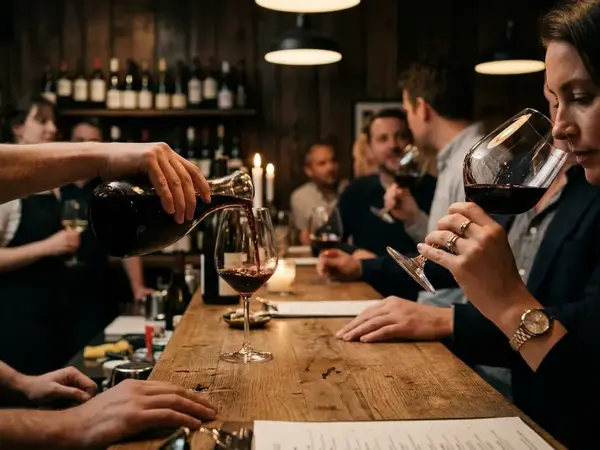
Securing a great bottle requires enlisting the staff as an active ally. Make the budget visible immediately so the server never has to guess or infer your spending comfort zone. Point directly to a price on the menu. Name a specific style you enjoy. Ask the server for their favorite alternative at that exact price point.
This exchange keeps everyone aligned and rarely takes more than half a minute. Indicate the menu price, state the style, hear one or two alternatives, and confirm the final bottle price before the cork is pulled. Use one price ceiling and two style cues—such as light-bodied and high-acid, or full-bodied and savory. Listing five different grapes or regions only confuses the interaction and dilutes the recommendation.
Next time you sit down at a table, open the beverage list, place your index finger firmly on a dollar amount you want to spend, and instruct the server to bring you their favorite high-acid alternative at that exact price.