The Philosophy of the Pour
Wine is geography in a glass. Through hands-on tasting, we've found that understanding the soil, climate, and tradition behind a label transforms a simple drink into a memorable experience. We focus on the nuances that matter. You will find practical advice here, stripped of pretension.
Critical Insight: The best wine is the one you enjoy, but knowing why you enjoy it unlocks a lifetime of better choices.
Explore Our Cellar
Navigate through our core research areas to find exactly what your palate craves.
Tasting Notes
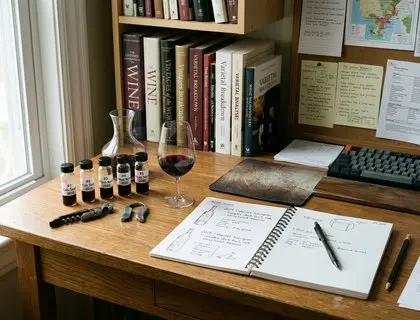
In-depth reviews, flavor profiles, and vintage analyses of wines from around the world.
Food Pairings
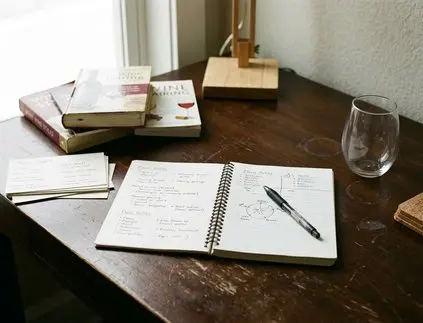
Culinary guides and menu inspirations designed to perfectly complement specific wine styles.
Wine Education
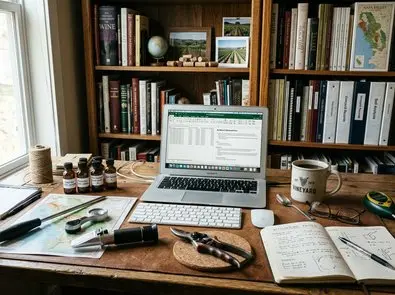
Comprehensive guides on viticulture, winemaking processes, and tasting techniques.
Happenings
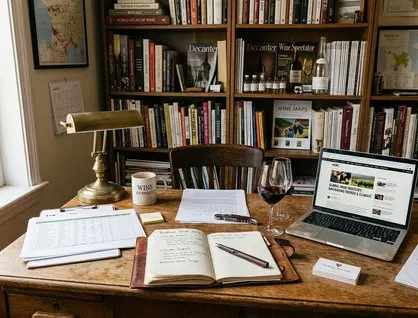
News, trends, and cultural events shaping the global wine industry.
Winery Guides
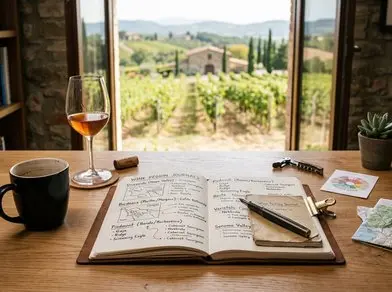
Travel itineraries and spotlights on notable wine regions and estates.
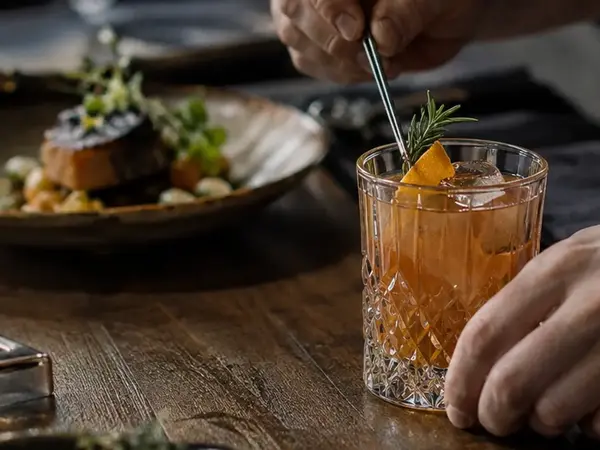
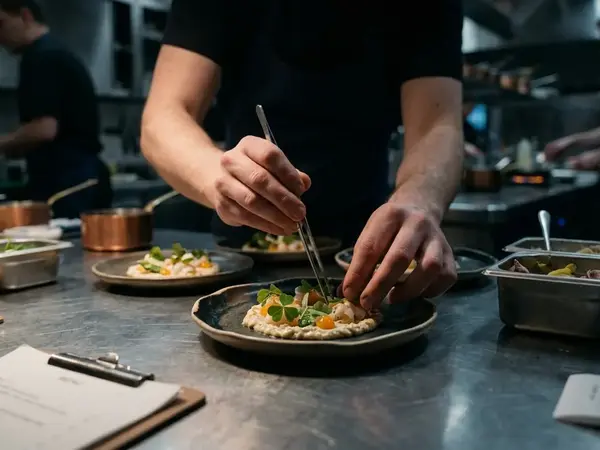
Mastering the Culinary Match
Pairing food and wine often feels like a high-wire act. From what we see each season, home cooks frequently default to safe, familiar combinations rather than exploring dynamic contrasts.
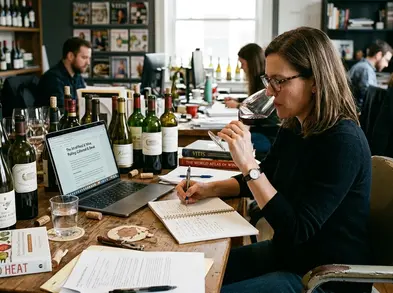
Start by matching the weight of the dish with the body of the wine. A delicate poached fish demands a light, crisp white. A rich, braised short rib requires a strong red with enough tannin to cut through the fat. Once you master weight, look at flavor bridges. Earthy mushrooms resonate beautifully with the forest-floor notes of an aged Pinot Noir.
Risk Factor: Overpowering a subtle wine with aggressive spice. When tackling heat, such as in our guide to pairing wine with spicy Asian cuisine, avoid high-alcohol, heavily oaked wines. They amplify the burn. Instead, reach for off-dry Rieslings or vibrant Gewürztraminers.
If a pairing falls flat, check the acidity. A squeeze of lemon on your dish can suddenly bring a flabby wine into sharp focus.
Our Tasting Methodology
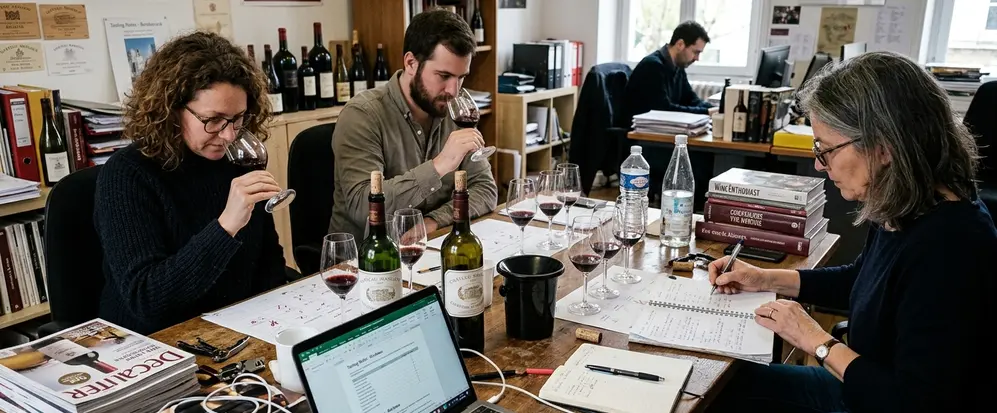
Trust in wine reviews requires transparency. Our editorial director and panel of certified sommeliers approach every bottle with a rigorous, blind-tasting protocol.
Standards of Evaluation
This multi-year initiative ensures our tasting notes remain uninfluenced by producer marketing.
While individual palates vary, our baseline methodology guarantees a consistent framework for evaluating structure, balance, and typicity across all featured regions.
Recommendation: Apply our blind-tasting approach at home. Wrap your bottles in foil during your next dinner party and let your senses, rather than the label, guide the conversation.
762+Global Wineries Profiled
15+Years of Oenological Insight
66+Premier Wine Regions