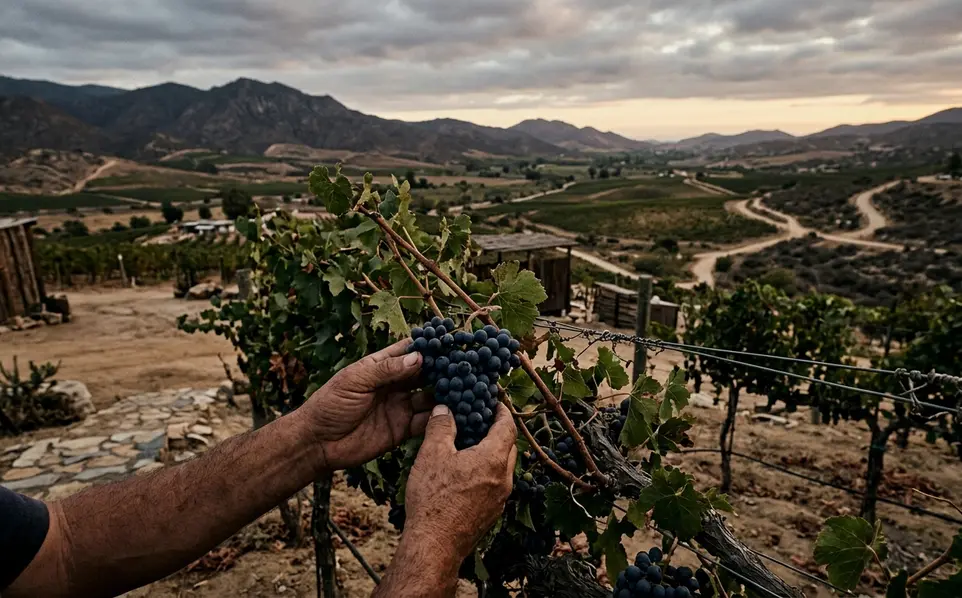
Grasping the Scale of Mexico's Wine Capital
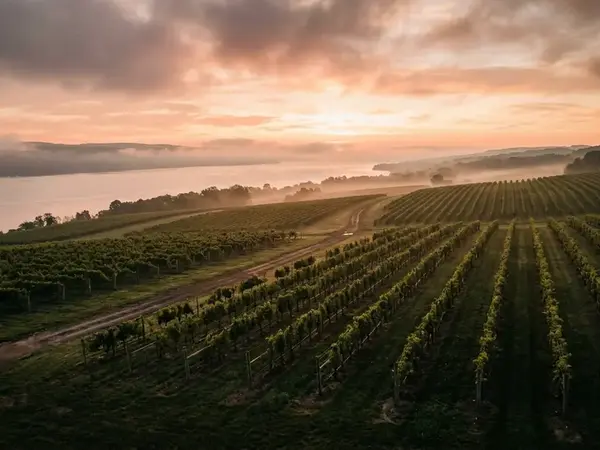
Valle de Guadalupe produces the overwhelming majority of Mexico's commercial wine. This single production figure sets the stakes for any visit to the region. Visitors arriving for the first time often expect a compact, easily walkable village centered around a single main street. The reality presents a sprawling agricultural zone defined by rugged, boulder-strewn terrain. Pacific maritime breezes sweep through the valleys, cooling the vines and shaping the terroir—a climatic balance that makes premium viticulture possible.
Navigating this expansive terrain requires a structured itinerary. A practical tasting day spans roughly 10:00 AM to 5:30 PM but contains only three winery appointments. Cramming more stops into a single afternoon inevitably leads to rushed experiences and palate fatigue.
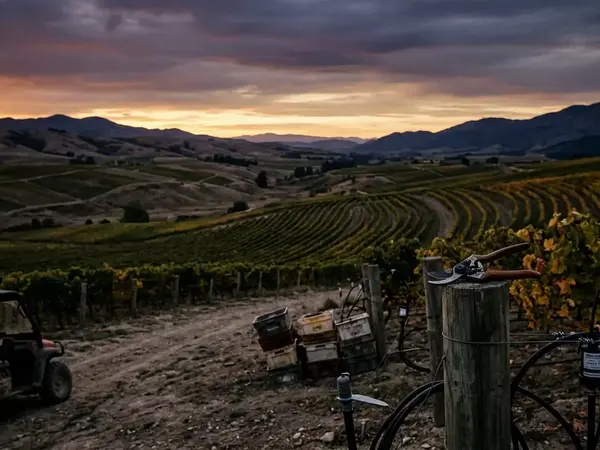
Travelers consistently underestimate the transit time between estates. Allow 20 to 40 minutes between properties even when a navigation app initially shows a shorter drive. Final approaches commonly involve unsigned turns, heavy gates, or washboard dirt roads that demand a slow, deliberate pace.
Mapping Your Border Crossing and Transport Logistics
Transportation must be secured before any tastings are booked because the route itself creates the largest operational risk. From the San Diego area, travelers cross at San Ysidro and follow the coastal toll-road corridor toward Ensenada. Budget one hour and 45 minutes to two hours and 30 minutes from the border crossing to a valley property. This estimate applies strictly to the driving time before adding the international border queue.
Submit reservation requests six to eight weeks ahead for ordinary weekends. Increase that lead time to eight to 10 weeks for travel from late July through September, when harvest-season demand is strongest. Walk-ins are rarely accommodated during this busy period, so book well ahead.
Road conditions dictate the pace of the entire journey. Recheck road access seven to 10 days before arrival and again after substantial winter rain. A transfer shown as 20 minutes can take 40 to 45 minutes after winter rain, especially when the final approach includes washboard tracks, standing water, or an unmarked gate. A high-clearance vehicle helps on muddy shoulders and deep ruts.
Prepare for Limited Connectivity
Carry pesos for incidental road costs and small purchases. Download an offline map before leaving the main highway, as mobile coverage weakens significantly on interior ranch roads.
Day One: Legacy Estates and Granite Terroir
Day one establishes a baseline before introducing more experimental wines. A morning appointment at a legacy estate supplies historical context and a reference point for the region's signature styles.
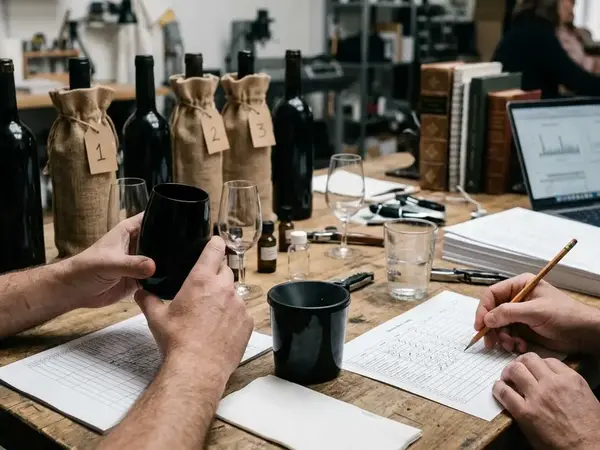
At 10:00 AM, reserve a guided legacy-estate tasting. Compare a Cabernet Sauvignon blend with at least one earlier vintage if available. This side-by-side tasting highlights how the granite terroir influences the aging potential and structural development of the wine over time.
From 11:30 AM to 1:00 PM, retain a 90-minute transfer and contingency window rather than adding an unscheduled tasting. This buffer absorbs any navigation delays and keeps the day feeling leisurely.
Schedule a stop at 1:00 PM for an open-air, wood-fired lunch to experience the region's signature Campestre-style dining. Allow two hours for this meal. The culinary rhythm here favors pacing. Order shared plates of locally sourced vegetables or fresh coastal seafood before moving on to heavier grilled meats.
At 3:30 PM, book an architecture-forward estate featuring grapes such as Grenache, Mourvèdre, Carignan, or Vermentino. These Mediterranean varietals thrive in the local climate and showcase the region's saline edge. Keep the day to three estates. Use water plus a neutral snack between the morning and afternoon flights to maintain a fresh palate.
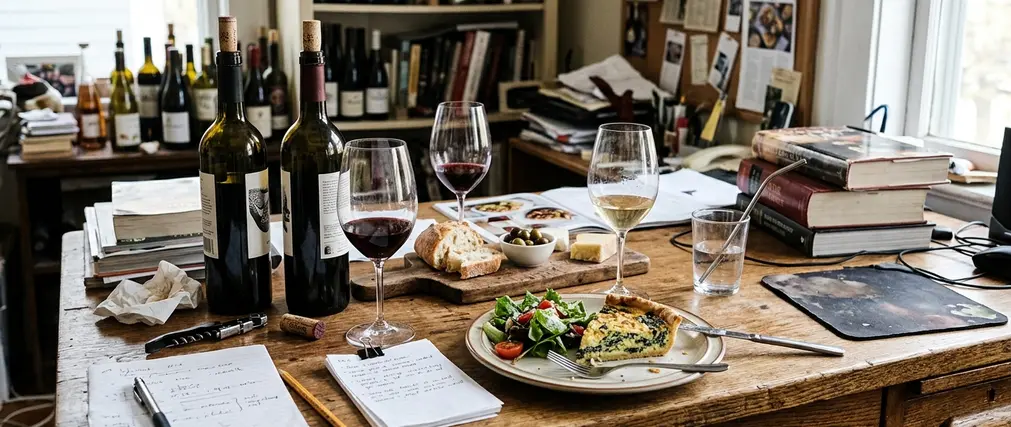
Day Two: Boutique Production and Coastal Pairings
The second day narrows the production scale so differences in extraction, oak use, and cellar intervention become easier to discuss. Shifting focus to smaller operations reveals the nuanced decisions winemakers make during harvest.
Schedule a small-production tasting at 10:30 AM. Focus on boutique wineries championing Nebbiolo and Tempranillo. Ask the host whether the wine was fermented with native yeast, whole berries, or extended skin contact. These minimal-intervention techniques often reveal the raw, unmasked character of the fruit.
Reserve two to two and a half hours at 1:30 PM for a multi-course vineyard lunch. Highlight menus built around Baja shellfish, local fish, herbs, and estate-grown organic produce. Farm-to-table pairings elevate the tasting notes of the accompanying wines, a reflection of how closely the local agriculture and viticulture are linked.
Request the property’s final tasting seating at an elevated site overlooking the valley floor at 4:30 PM. A 4:30 PM final seating may coincide with sunset in the shortest winter days but provides only late-afternoon or golden-hour light during summer, when sunset occurs substantially later.
Pay attention to the local weather patterns during your visit. When the forecast shows a day-to-night change of roughly 10 to 17 degrees Celsius, use that temperature spread to discuss acidity retention alongside the concentration of the red wines with your host. This dramatic diurnal shift allows the grapes to ripen fully during the warm days while preserving their essential crispness through the cool nights.
Day Three: Eastern Elevations and the Return Journey
The final appointment is placed at 10:00 AM on the valley’s higher eastern side. Morning access is quieter and leaves a controlled departure window before the afternoon crowds arrive.
Complete one final tasting between 10:00 AM and 11:15 AM. Leave another 15 minutes for purchase collection and protective packing. Securing bottles properly ensures they survive the bumpy ride back to the highway.
Allow two hours and 15 minutes to three hours from the eastern valley to the San Ysidro or Otay Mesa approach before adding the posted border wait. Check live crossing conditions once before leaving the valley and again 30 to 45 minutes before reaching Tijuana to determine the optimal routing.
For a same-day flight, build at least four additional hours between the predicted border crossing time and airport departure. Returning the following morning is safer after a Sunday tasting itinerary, reducing the stress of tight travel connections.
Transporting wine back across the international border requires careful attention to duty limits. For an eligible returning traveler aged 21 or older, the commonly cited federal duty-free personal exemption includes one liter of alcohol. Additional wine must still be declared and may be assessed duty and tax. Alcohol exemptions also depend on residency, trip length, exemption history, entry state, and mode of transport, so confirm current federal and state rules before departure and declare every bottle regardless of quantity.
Finalizing Your Tasting Appointments
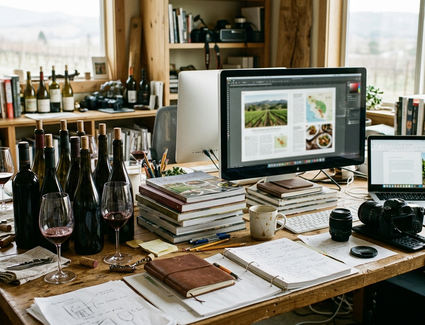
The booking sequence follows scarcity rather than chronology. First confirm a sober driver or local transport. Next, reserve the two wineries that define the trip. Only afterward should you place meals and the remaining tastings to fill out the schedule.
Confirm every appointment five to seven days before travel. Request a map pin for the actual gate rather than relying only on the property’s mailing address. Keep 30 to 45 minutes unscheduled between reservations. Avoid booking the final tasting later than 4:30 PM when returning to the border that evening.
Secure your transportation and book your top two winery reservations at least six weeks before your planned arrival date to guarantee access.