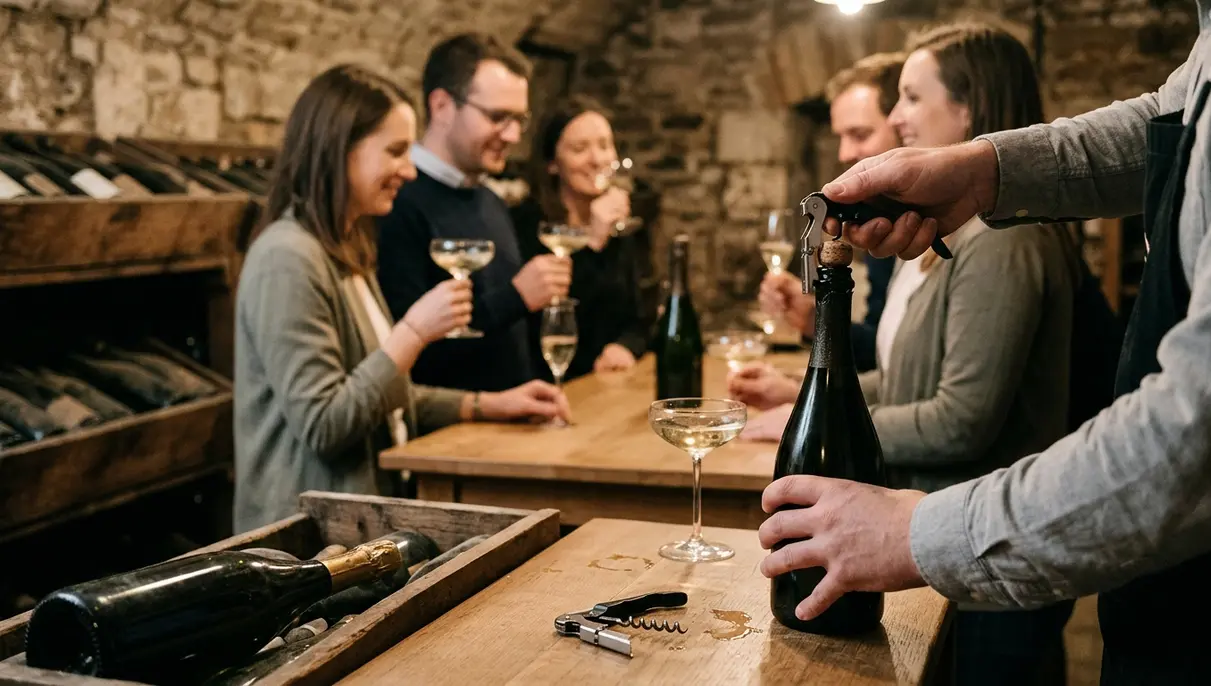
The Case Against the Cellar
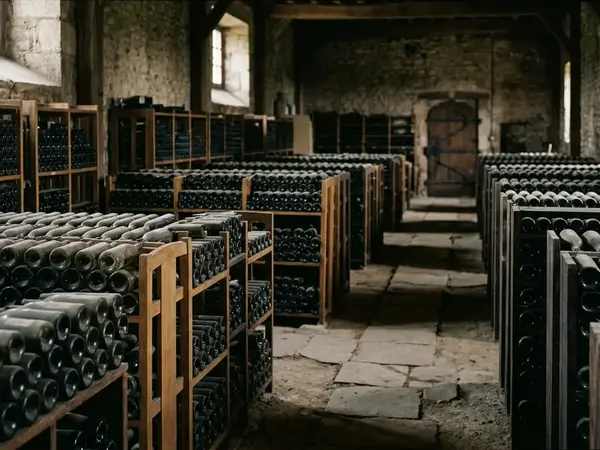
Vintage Champagne has been wrapped in one stubborn instruction for generations: buy it, bury it, and wait.
That advice is not foolish. It grew from real pleasures: rarity, patience, and the slow arrival of aromas that make a mature bottle feel almost architectural. Still, it treats aging as the default virtue rather than one possible direction. For many bottles, especially those opened in the first few years after disgorgement, the more compelling experience is not maturity. It is voltage.
The counter-thesis is simple: drinking vintage Champagne young preserves its electric vitality, its sharp-edged fruit, and its clearest reading of the harvest year. The wine has not yet been softened into a generalized language of toast and honey. It still speaks in citrus, chalk, salt, and pressure.
That is a deliberate departure from conventional sommelier advice. I do not see young vintage Champagne as an impatient compromise. I see it as a distinct, often thrilling phase of the wine’s life.
Key Takeaway: “Young” does not mean rushed. Vintage Champagne must complete the required legal minimum lees aging before release, and many producers hold bottles longer before shipment.
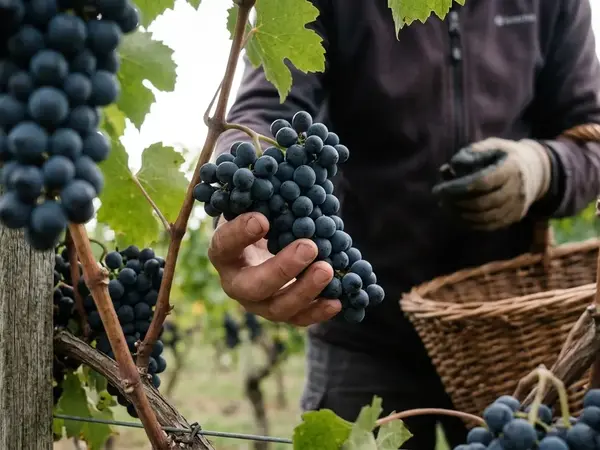
In practical retail terms, a young vintage bottle on shelves in 2024 to 2026 may come from harvests between 2015 and 2019, depending on the producer’s release policy. The most vivid window for this argument is often the first one to five years after disgorgement, when mousse, citrus tension, and primary fruit remain prominent.
Deconstructing the Cult of Aging
The cult of aging persists because aged Champagne can be beautiful. Brioche, toasted almond, honeycomb, dried apricot, and light mushroom are not imaginary rewards. A bottle held 10 to 20 years after harvest is more likely to show those tertiary notes than one opened within four to eight years of harvest.
But every gain has a cost.
What maturity gives, and what it takes
Extended aging often trades piercing acidity for roundness. It can turn green apple into baked apple, lemon pith into marmalade, fresh dough into toast. Those shifts may be seductive, especially in a warm room with roasted poultry or aged cheese on the table, but they also move the wine away from its original contour.
Freshness-driven drinkers tend to respond more strongly to pH-driven sharpness, brisk mousse, and citrus-orchard fruit than to oxidative breadth. That preference is not less serious. It simply values definition over accumulation.
- Young vintage Champagne emphasizes citrus, orchard fruit, chalk, and pressure.
- Mature vintage Champagne emphasizes toast, nuts, dried fruit, honey, and savory depth.
- Neither profile is inherently superior; the better bottle depends on the desired drinking outcome.
Oxidative development is not binary, either. Noticeable changes can begin within three to six years after disgorgement if storage is warm, bright, or inconsistent. A bottle held for about 18 months in a warm retail display can seem older and flatter than a bottle from the same disgorgement kept in a cool, dark cellar.
Warning: Do not assume a recently released vintage bottle is automatically fresher than an older purchase. Disgorgement date and storage conditions matter as much as harvest year.
The Anatomy of Youthful Tension
The sensory case for youth starts with structure, not romance.
A young vintage Champagne commonly presents as lemon pith, green apple, pear skin, white peach, chalk, oyster shell, and fresh bread dough. The bubbles feel tight and vigorous. The finish snaps rather than settles. When the balance works, the wine seems to pull the palate forward.
Why the acidity feels “nervous”
Champagne base wines are often built on high total acidity and low pH, which gives the finished wine a brisk, mouthwatering profile rather than the softer shape expected from many still white wines. Malic and tartaric acids contribute to that sensation of tension. In a young bottle, they can feel almost kinetic: green-edged, saline, and precise.
During practice, I have found that early disgorgement releases often give the cleanest view of the harvest before tertiary notes take command. A warm year with generous Pinot Noir fruit may show broad red-apple flesh and white peach early. A chalk-driven, Chardonnay-heavy cuvée from the same release season may remain all lemon, salt, and acid until it has more time to loosen.
Disgorgement recency is operationally important. A bottle disgorged within the last six to 24 months will usually show more direct mousse and clearer fruit than the same cuvée disgorged several years earlier and held in retail or private storage.
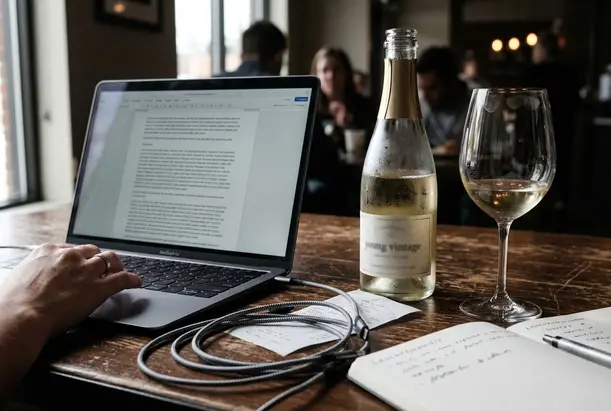
- Check the back label for a disgorgement date when the producer provides one.
- Favor cool, dark retail storage over display shelves near lights or windows.
- Open one bottle early if you own multiples, then track how the second develops.
Pro Tip: Use white-wine stems rather than narrow flutes when assessing young vintage Champagne. The wider bowl makes citrus, chalk, lees, and orchard-fruit detail easier to read.
Why Youth Wins at the Dining Table
Food exposes the practical advantage of young vintage Champagne faster than solo tasting does.
Fat, salt, and frying need pressure. They need acidity. They need bubbles that do actual work. Young Champagne brings all three without asking the dish to become complicated.
Pairings where youth has the edge
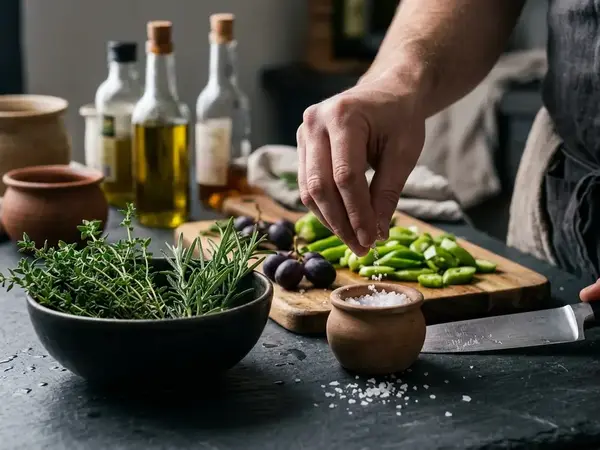
- Freshly shucked oysters: Serve young vintage Champagne at 8 to 10°C. Citrus acidity and saline minerality can echo the oyster liquor without smothering it.
- Fried chicken: Look for a dry finish, firm mousse, and enough acidity to cut through rendered fat and seasoned crust across repeated bites.
- Tempura: The bubbles lift oil from the palate while the wine’s lemony edge keeps shrimp, squash, or white fish from tasting heavy.
This is where the youthful profile becomes more than a tasting preference. It becomes useful. A wine dominated by honey, mushroom, and toasted nuts may be fascinating, but it can overwhelm delicate seafood or make fried food feel broader rather than cleaner.
Aged Champagne often works better with browned butter, roasted poultry, aged cheese, mushroom, soy, or shellfish bisque. Those dishes provide a flavor bridge for autolytic and oxidative notes. With oysters or tempura, that bridge can become a wall.
When Patience is Actually Required
The argument for drinking vintage Champagne young has boundaries. Ignoring them turns a useful principle into another dogma.
The youngest bottles are least persuasive when the wine is zero-dosage, from a very cool harvest, or built around especially high-acid Chardonnay from chalk-heavy sites. That narrow lane matters because austerity can masquerade as precision until the wine has enough texture to support it.
Styles that may need time
Brut Nature wines contain less than about 3 grams per liter of residual sugar with no added dosage. Extra Brut sits from roughly 0 to 6 grams per liter. Both categories can taste sharper in youth than standard Brut, especially when acidity is already prominent.
A newly released Brut Nature Blanc de Blancs from a cool, high-acid harvest can taste metallic, skeletal, or painfully sharp beside oysters, even though the same bottle may become graceful after several more years. That is not a failure of youth as a category. It is a reminder that style, site, and dosage shape the drinking window.
Structurally tight vintages often need five to 10 years after release before fruit, acidity, and lees-derived texture feel fully integrated. In those cases, patience is not collector theater. It is the time required for the wine’s parts to stop arguing with each other.
Warning: Do not use “drink young” as permission to open every bottle immediately. Low-dosage, high-acid, and deliberately austere cuvées may need several more years to become expressive.
Young vintage Champagne still means a wine that has completed its required 36 months on lees, plus whatever additional cellar time the producer chooses before disgorgement and shipment. It is not unfinished wine. It is finished wine in its most tensile stage.
Trusting Your Palate Over Tradition
The real question is not whether vintage Champagne can age. It can. The better question is what you want from the bottle in front of you.

If the goal is energy, clarity, food flexibility, and a close reading of the harvest, opening vintage Champagne young is a rational choice. You get the brisk mousse, the citrus line, the orchard-fruit precision, and the chalky finish before oxidative development rounds the corners.
A practical way to decide
- Buy two bottles of the same vintage and disgorgement when possible.
- Open one within six to 18 months.
- Hold the second for three to five additional years under stable storage.
- Serve both in white-wine stems, not flutes, and take notes on mousse, fruit, acid, lees, and finish.
Storage should be cool, dark, and steady, with fewer temperature swings than a kitchen rack or display shelf can provide. That matters whether you plan to drink the bottle next month or in several years.
The tradition of waiting has its place, but the elusive perfect future moment has ruined more than a few good bottles by turning pleasure into postponement. Open the wine when its character matches the occasion. For oysters, fried chicken, tempura, or a night that needs brightness rather than ceremony, young vintage Champagne can be exactly right.
Key Takeaway: Drink vintage Champagne young when you want tension, clarity, and food-lifting acidity. Cellar it when the style is severe, the vintage is especially tight, or the meal calls for deeper autolytic and savory tones.