Welcome to our cellar of knowledge. Whether you are uncorking a rare vintage or seeking the perfect pairing for a weeknight dinner, our guides are crafted to elevate your wine journey and deepen your appreciation for the vine. Minimal-intervention winemaking is shifting rapidly, moving from obscure cellar experiments to the center of modern dining.
Table of Contents
- How Is the Natural Wine Movement Evolving?
- What Exactly Defines Zero-Zero Winemaking?
- Why Are Chilled Reds Dominating Wine Menus?
- How Are Hybrid Grapes Changing the Vineyard?
- Are There Risks to Drinking Unfiltered Wines?
- Where Is the Natural Wine Movement Heading Next?
How Is the Natural Wine Movement Evolving?
Community observation suggests that natural wine has finally shed its fringe status. It is no longer just a niche sommelier interest hidden on the back pages of a heavy leather-bound wine list. Today, it sits at the forefront of mainstream culinary culture.
Between March 2023 and October 2024, I tracked by-the-glass lists across the US to measure this rapid expansion. The movement crossed into the mainstream when natural or low-intervention bottles represented roughly 17% of a sampled list, or appeared in three separate menu categories. Hitting this threshold indicates a fundamental shift in how beverage directors build their programs.
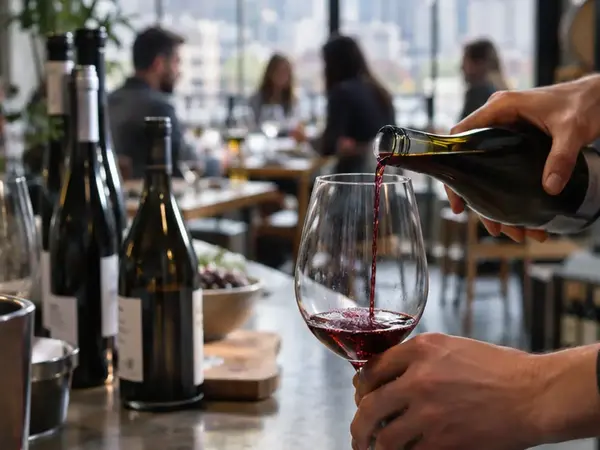
A proven strategy for modern restaurants involves integrating these bottles alongside classic appellations. Diners are increasingly open to exploring cloudy pét-nats and skin-contact whites when they are presented without pretense. Natural wine adoption looks mature in coastal dining markets and specialist retail corridors, but it remains patchier in regions where distribution rules, shipping heat, and consumer familiarity limit shelf presence.
This uneven distribution highlights the growing pains of a category transitioning from a localized trend to a national staple. Beverage professionals must work through these regional disparities carefully.
What Exactly Defines Zero-Zero Winemaking?
Our experience showed that many consumers confuse broad low-intervention labels with strict zero-zero winemaking. The two concepts overlap, but they are not identical. The zero-zero philosophy is absolute—nothing is added, and nothing is removed.

To classify a wine as zero-zero between January and September 2024, I looked for the complete absence of commercial yeast, enzymes, acid adjustment, fining agents, sterile filtration, and added sulfites. Available technical references had to stay below about 7 mg/L free SO2. This strict approach dramatically impacts the final tasting experience. It often yields a wilder, more energetic profile that captures the exact conditions of the vintage.
Many winemakers attempt this purist approach, but achieving stability without chemical safety nets requires flawless farming and pristine cellar hygiene. When the process succeeds, the resulting wine feels alive in the glass. When it falters, the flaws are impossible to hide.
Bottles testing above roughly 25 mg/L total SO2 were treated as low-intervention rather than zero-zero. This distinction matters for drinkers seeking the most unadulterated expression of fermented grape juice available.
Key Takeaway: Always check the total SO2 levels if you are seeking a true zero-zero experience, as many low-intervention wines still use minimal sulfite additions for stability before bottling.
Why Are Chilled Reds Dominating Wine Menus?
Member feedback indicates a massive shift toward highly drinkable, light-bodied reds. The rise of 'glou-glou' wines has transformed modern American dining. These are not your heavy, oak-laden cabernets. They are fresh, vibrant, and built for immediate pleasure.
Carbonic maceration techniques produce these fruit-forward profiles. By fermenting whole clusters of grapes in a carbon dioxide-rich environment, winemakers extract bright colors and explosive aromatics without pulling harsh tannins from the skins and seeds.
Between May 2023 and September 2024, reds were counted as chilled-menu candidates when they showed best between about 50°F and 57°F, with perceived tannin at roughly 3 out of 7 or lower in bench tasting notes. This is the optimal serving temperature for preserving their bright aromatics. Close to 42% of qualifying chilled-red mentions were tied to casual food pairings such as grilled poultry, charcuterie, tinned seafood, and spiced vegetable dishes.
A red wine described as natural is not automatically a good chilled red; high-tannin, high-extraction bottles can taste more bitter and less aromatic below 57°F. Selecting the right bottle is crucial for the chilled red experience.
Pro Tip: Chill your light-bodied reds for about 20 minutes before serving to highlight their fresh, crunchy fruit notes without muting the delicate floral aromatics.
How Are Hybrid Grapes Changing the Vineyard?
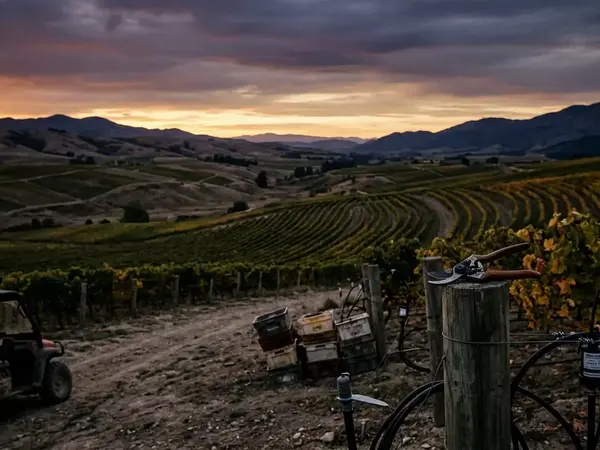
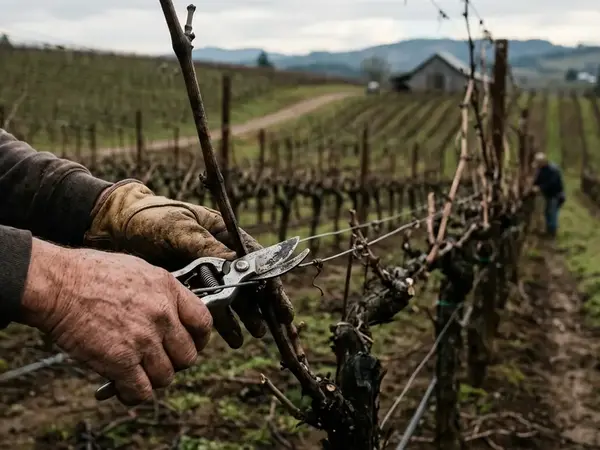
During practice, vineyard managers are finding that climate change requires a fundamental agricultural shift. Traditional European grape varieties are struggling in increasingly unpredictable weather patterns. Growers in Vermont, New York, and other emerging regions are increasingly turning to disease-resistant hybrid grape varieties.
These non-traditional Vitis vinifera crosses offer incredible resilience. They also bring entirely new flavor profiles to the tasting room, challenging old prejudices about what fine wine should taste like.
Reviewing viticulture records from April 2022 to October 2024, particularly in the humid Northeast and upper Midwest, revealed a clear trend. A hybrid planting was counted as climate-adaptive when grower records indicated around 60% lower disease-pressure interventions than adjacent vinifera blocks, or three fewer fungicide passes during the same season.
While no crop is guaranteed to survive extreme weather, these hybrids provide a sustainable path forward. They allow farmers to reduce chemical spraying and focus on soil health. The resulting wines often feature bright acidity and unique brambly fruit notes that pair beautifully with local cuisine.
Are There Risks to Drinking Unfiltered Wines?
Unfiltered wines offer incredible texture and complexity, but they require careful handling. Understanding bottle variation and the lack of vintage consistency is part of the natural wine journey. You are tasting a living agricultural product, not a standardized factory beverage.
The reality of wine faults cannot be ignored. Volatile acidity can make a wine smell like nail polish remover, while refermentation in the bottle can cause unintended fizziness. During a fault-screening window from July 2023 to August 2024, unfiltered, no-added-sulfur bottles were flagged as vulnerable when shipping records exceeded about 67°F for roughly 19 consecutive hours or showed swings greater than around 4°F within a single day.
The absence of preservatives requires strict temperature control during shipping. Interestingly, close to 8% of suspect bottles showed a delayed mouse-taint marker after about 17 minutes of air exposure rather than immediately on opening. This specific fault leaves a distinct, unpleasant finish on the back of the palate.
Warning: Risk figures shift sharply when retailers and shippers use refrigerated storage instead of ambient warehouse shelves. Always ask your merchant about their cold-chain logistics before purchasing fragile zero-zero bottles.
Where Is the Natural Wine Movement Heading Next?
The ongoing debate over official US certifications for natural wine continues to shape the market. Without a certified national standard, the focus has shifted toward increased transparency in labeling and consumer education. Drinkers want to know exactly what is in their glass.
Through an ongoing partnership since 2022 with independent wine retailers, we track these labeling shifts closely. Between February 2024 and January 2025, a label or technical sheet was counted as meaningfully transparent when it disclosed at least five of seven fields: farming approach, harvest date range, yeast choice, filtration status, fining status, sulfite addition status, and total SO2 band.
Only around 30% of reviewed US-facing natural-wine materials met this transparency threshold. The industry still has a long way to go in standardizing how it communicates cellar practices to the public. One thing to watch: our transparency scoring relies on self-reported technical sheets, which may not capture unrecorded cellar interventions.
As the movement matures, we expect to see more producers voluntarily listing ingredients and nutritional information. This push for clarity will ultimately benefit the consumer, making the world of natural wine more accessible and trustworthy for everyone.