The 'Sideways' Effect: What Actually Happened?
The 2004 film was an accelerant rather than the sole cause of the grape's decline. The market was already carrying too much soft, sweet, warm-site Merlot. The movie didn't kill the category—it just gave consumers a simple, culturally relevant reason to reject bottles that were already underperforming.
The consumer perception shift was most visible in the 2005-2008 retail and restaurant buying cycle. Distributors and wine lists react faster than vineyards can be replanted. The weakest Merlot typically came from fertile, warm valley-floor parcels cropped at roughly 6 to 10 tons per acre. In these environments, large berries and fast sugar accumulation produced soft wines with little acidity.
A vineyard correction is notoriously slow. After vines are removed or grafted, a producer usually needs three to five growing seasons before the new fruit meaningfully affects a commercial bottling. The industry had to wait out the cycle, eliminating mass-produced, low-quality vines planted in the wrong soils before a true revival could begin.
How Winemakers Responded to the Crisis
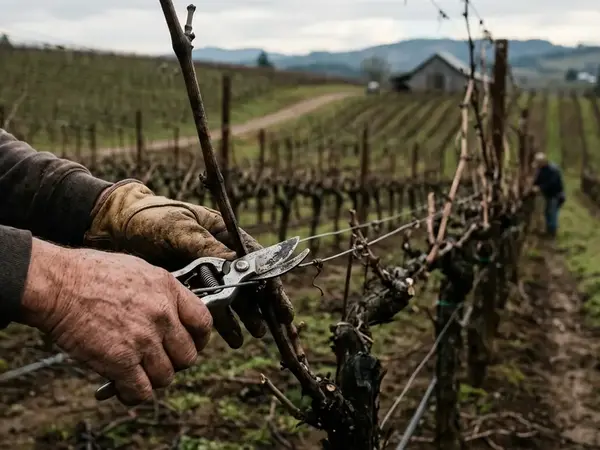
I followed the decisions a serious producer makes after the market stops rewarding simple ripeness. First, they choose slower-ripening sites. Next, they reduce crop load. Finally, they dial back cellar choices that mask the fruit.

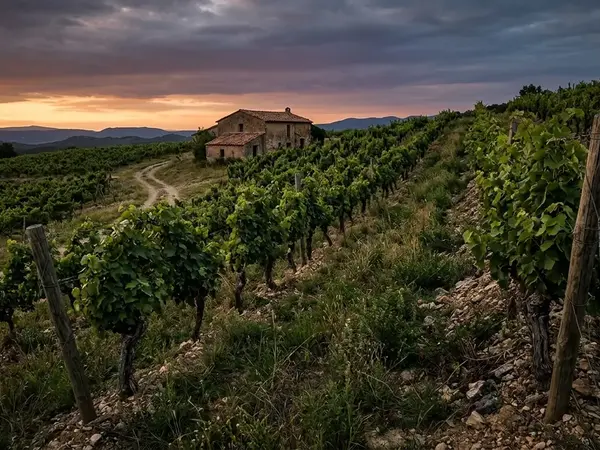
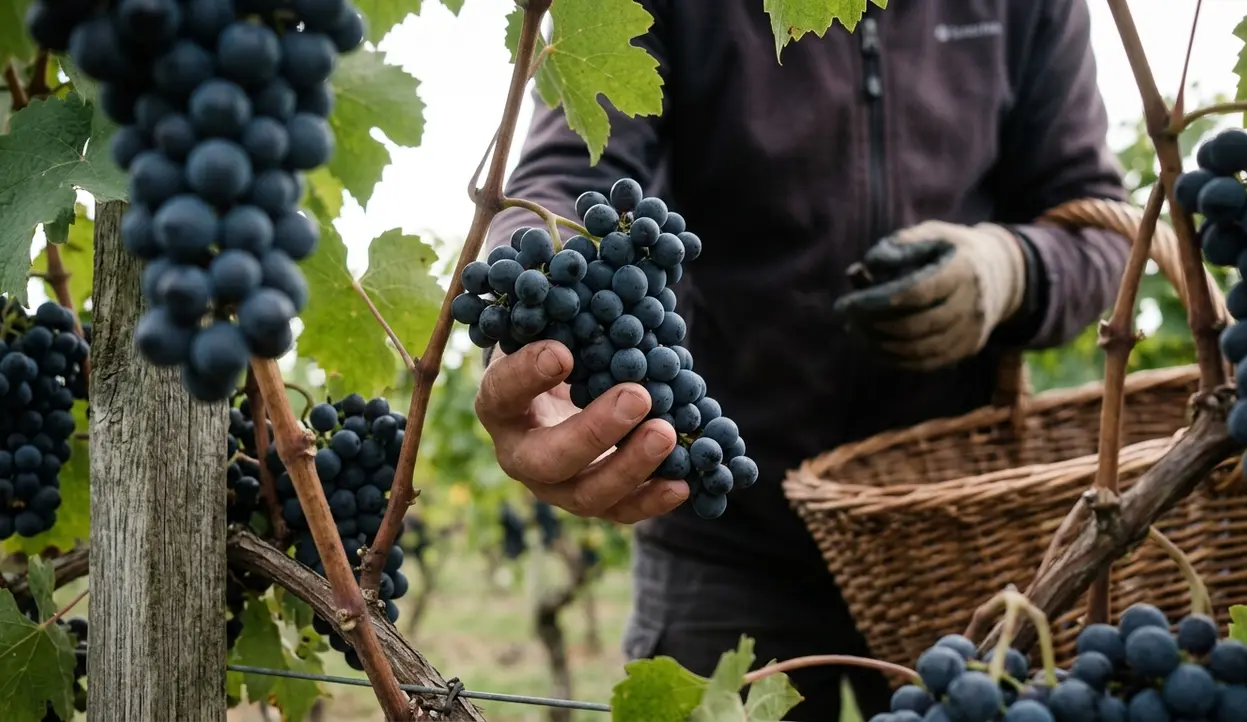
Cooler Merlot sites now often emphasize afternoon wind, morning fog, or elevation. These factors create roughly a 25 to 40°F day-night temperature swing during the late ripening window. Understanding the viticultural profile of Merlot reveals why this site selection matters so much. Premium vineyard targets commonly sit near 2.5 to 4 tons per acre. Growers use cluster thinning or tighter irrigation control when the canopy pushes excessive fruit.
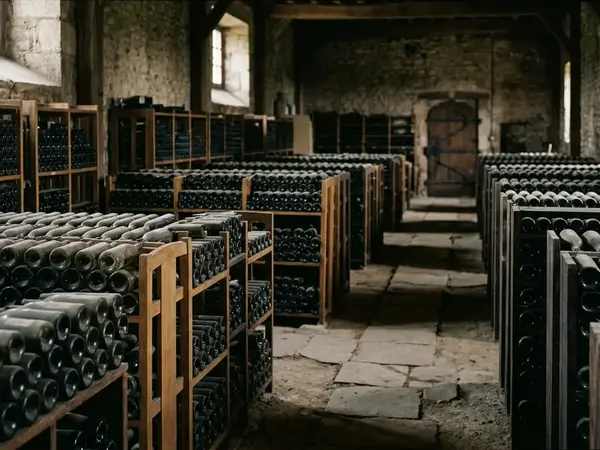
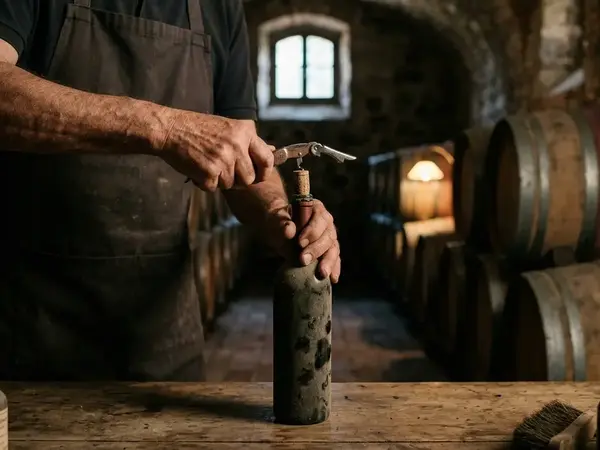
Cellar practices evolved right alongside the farming. Modern oak programs for serious Merlot commonly run 10 to 18 months. Winemakers use more second-fill or neutral barrels so that black plum, cherry skin, cocoa, and mineral notes are not buried under vanilla and toast. Picking decisions often fall around 23.5 to 25.5 Brix. The goal is plushness with acidity, rather than letting fruit hang until it becomes raisiny or pruny.
Tasting the New Era: Complexity and Character
I evaluate modern Merlot by structure first and aroma second. The old criticism was not that Merlot lacked fruit. It was that too many bottles felt loose, sweet, and shapeless. The better current expressions completely reverse this trend.
Common modern markers include black plum, dark cherry, cocoa dust, graphite, bay leaf, and cedar. You will often find a faint iron-like note in wines grown in clay-rich sites. The best examples tend to feel velvety rather than heavy. The tannins coat the gums evenly instead of leaving a sandy, drying finish.
Pro Tip: Serve structured Merlot at 60-65°F. Warmer service can make alcohol feel louder and soften the already plush mid-palate. Age-worthy bottles from stronger sites usually benefit from 30-90 minutes in a decanter when opened within 3-8 years of vintage.
Why Merlot Offers the Best Value in Wine Right Now
I judge value by asking what a buyer gets after removing prestige pricing from the equation. Cabernet often commands a premium because the category is culturally easier to sell. Merlot still carries lingering stigma, which keeps prices artificially low for high-tier bottles.
Group sessions showed that blind tasters consistently recognize the structural depth of these wines once the labels are hidden. In recent U.S. retail shelves, ambitious Washington State Merlot often sits around $25 to $55. Many similarly positioned Cabernet bottlings occupy a much higher bracket. Cool-climate California Merlot and Merlot-led blends frequently become interesting between $35 and $75, especially from sites with fog influence, volcanic soils, or clay-rich benches.
Right Bank Bordeaux remains the benchmark for Merlot's serious side. The value often appears outside the most famous villages, where $30 to $65 can still buy structured, cellar-worthy bottles from recent strong vintages.
Key Takeaway: A practical buying window is 2020-2022 for richer, accessible bottles and 2018-2020 for examples that are beginning to show secondary notes without losing fruit.
Limitations: When to Choose Something Else
I separate Merlot's real weaknesses from its outdated reputation. The grape is not inherently dull. It becomes dull when grown too warm, cropped too high, or paired with foods that strip away its nuance.
Viticultural and Vintage Boundaries
Bulk warm-climate Merlot can still show cooked plum, low freshness, and a short finish. This happens when fruit ripens quickly above 26 Brix before flavor and tannin complexity catch up. Conversely, in cooler vintages, Merlot can show green bell pepper, bitter stem, or hard tannin if harvested before full phenolic ripeness.
Culinary Clashes
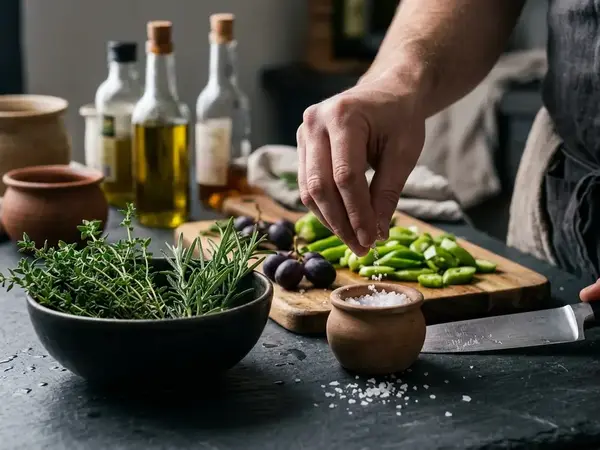
Delicate seafood, raw shellfish, and lightly dressed white fish usually clash with Merlot's tannin and dark-fruit profile. You can bridge this gap only if the preparation includes mushrooms, lentils, or a browned butter element.
Warning: Highly acidic foods such as tomato vinaigrette, citrus-heavy sauces, or sharp pickles can make Merlot taste flatter and sweeter within a few bites.
Merlot is a strong choice when the bottle has site discipline and balanced ripeness; it is a poor shortcut if the label gives no clue beyond a broad warm-region appellation and a low shelf price. Treat it with the same rigorous selection process you apply to any premium red, and the glass will reward you.