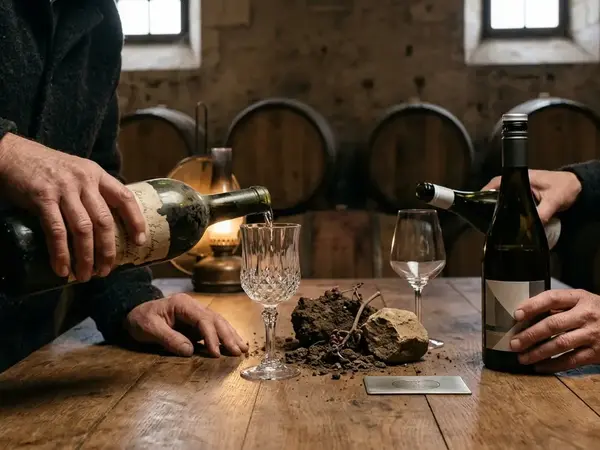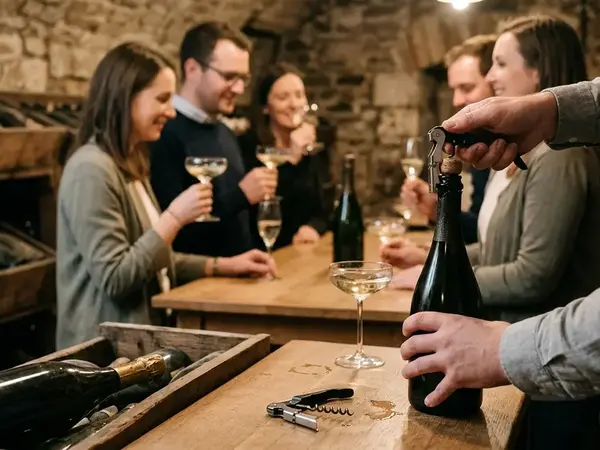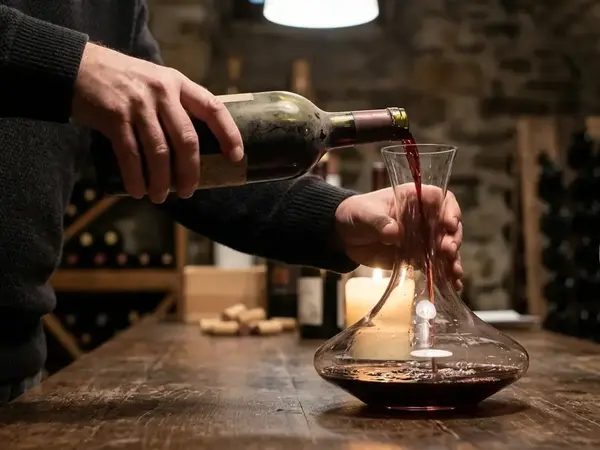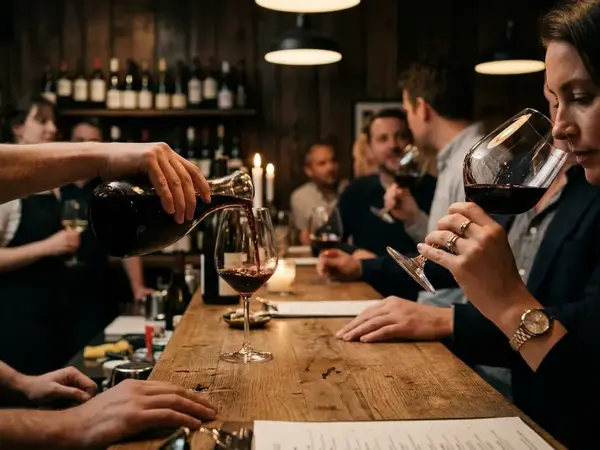
A vertical tasting serves a specific investigative purpose—decoding a winemaker’s survival strategy against nature’s unpredictability. Gathering multiple years of the same wine allows you to isolate the variables of climate and time. You strip away the noise of different vineyards, varying grape blends, and competing house styles to focus entirely on how a single piece of land responds to changing weather patterns and how those bottled responses evolve in the cellar.
Organizing this experience at home requires precise environmental control and a structured approach to sourcing, pouring, and evaluating the lineup. Every detail matters when you are asking a wine to reveal its history.
Investigating the Estate's Response to Nature
Approaching a vertical tasting as a competition to crown the highest-scoring vintage misses the educational value of the exercise. The true objective is to understand the decisions made in the vineyard and the cellar when conditions became difficult. A challenging vintage often reveals an estate's terroir and technical skill far more clearly than an effortless, perfect growing season.
When a region experiences unexpected rain at harvest or a severe mid-summer heat spike, the winemaker must adapt. You want to taste the results of those adaptations. Did the estate manage to retain essential acidity? Were rough, underripe tannins successfully managed during extraction? Does the resulting wine still taste recognizably like the estate's signature profile?
To answer these questions, choose one estate and one named bottling, then compare three to six vintages. Before reading any vintage reports or critical reviews, record a brief judgment of each wine’s freshness, fruit concentration, and tannin texture. This initial independent assessment forms the foundation of your tasting, allowing you to build your own understanding of the estate's baseline character before external opinions influence your palate.
Curating a Terroir-Driven Flight
The foundation of a successful vertical is consistency in production. Select a vineyard-designated or otherwise terroir-driven bottling whose producer intends each harvest to show through. Large commercial blends are often adjusted heavily in the cellar to maintain a consistent house style year after year, which obscures the very vintage variations you are trying to study. Keep the producer, the specific vineyard designation, and the cuvée absolutely consistent. A changed blend or a different bottling line can easily be mistaken for a vintage effect.
While sourcing consecutive years is a traditional approach, intentionally skipping a year or two creates starker contrasts for beginners. A four-bottle lineup consisting of 2016, 2018, 2020, and 2022 provides clear, distinct jumps in development and climate expression.
Maximizing Your Bottle Yield
Plan on pouring exactly 30 mL per person per vintage for the first pass. A standard tasting group of eight guests will use 240 mL from each bottle, leaving ample volume for a second pass, side-by-side comparisons, and the final blind evaluation.
Procuring older bottles requires careful vetting. When purchasing an older auction bottle, request its complete storage and shipping history from a reputable merchant. Ask specifically how the bottle was stored over its lifespan, whether its fill level and closure were physically inspected prior to sale, and exactly how it will be protected from heat in transit to your home. A poorly stored bottle will show signs of heat damage or oxidation, ruining the integrity of your vertical comparison.
Controlling the Physical Tasting Space
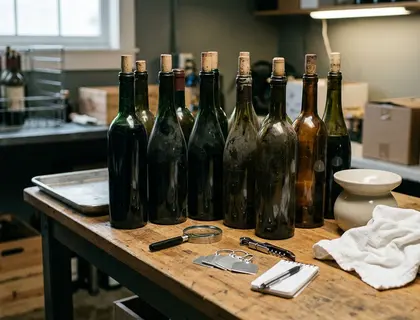
The physical environment must be entirely neutral to allow the subtle aromatics of older vintages to show clearly. Remove all scented candles, eliminate cooking aromas from the room, and banish strongly perfumed flowers. Set out a sheet of clean white paper behind each glass to provide a consistent background for color assessment.
You must use identical, clean glasses for every pour. The shape of the bowl dictates the aromatic delivery of the wine; changing the glass shape between vintages introduces a massive variable that makes accurate comparison impossible. Set out one identical glass per vintage per guest. If you lack the inventory for this, you must wash and fully dry the exact same glass design between each pour.
Follow standard sommelier preparation protocols before your guests arrive. Check the bottle temperature, inspect the glass for sediment, and taste a small sample of each vintage to check for cork taint or severe flaws before deciding how much air each wine needs.
Hold a red-wine lineup at an optimal 16–17 °C at the first pour, and keep the room temperature steady during the tasting. While certified sommelier standards provide a baseline for service temperatures, home environments often require slight adjustments based on ambient room heat to prevent the wines from warming too quickly in the glass.
Managing Aeration and Sediment
Stand bottles with visible sediment upright for 12 to 24 hours before the tasting. Open a fragile older bottle just before service and pour it gently. Conversely, give a tightly wound young Cabernet Sauvignon 60 to 120 minutes in a decanter, checking its development along the way.
Structuring the Pour Order
Sequencing dictates how your palate perceives the progression of time. The two primary strategies are oldest-to-youngest and youngest-to-oldest, and each serves a different analytical purpose.
The oldest-to-youngest approach protects the older wine’s quieter, more delicate aromas. Notes of leather, dried fruit, or woodland floor are easily overpowered. By tasting the oldest wine first, you capture these fading tertiary aromas before palate fatigue sets in from the heavier tannins and higher acidity of the younger wines.
The youngest-to-oldest method makes the progression of structural elements easier to follow. Starting with the youngest wine allows tasters to track the gradual softening of firm tannins and the slow integration of oak over time, moving from a tightly coiled structure toward a more seamless texture.
For the proposed Cabernet Sauvignon lineup, serve the oldest first. Pour the example lineup in this exact order: 2016, 2018, 2020, then 2022. The younger bottles in this specific varietal lineup are highly likely to leave a persistent tannic impression that would crush the delicate nuances of the 2016 if poured in reverse. Allow 8 to 12 minutes for each first-pass glass, giving guests time to evaluate the initial aromatics before returning to taste the wines side by side.
Separating Climate Signatures from Maturation
Evaluating a vertical requires a structured approach to note-taking that actively separates the effects of the growing season from the natural chemical changes of bottle aging. Divide your tasting notes into two distinct columns: possible harvest signatures and signs of bottle age.
For every glass, record the acidity, fruit character, perceived alcohol, tannin texture, and any tertiary aromas using the exact same headings. This standardization is vital for spotting trends across the decade.
Weather markers reveal themselves primarily through fruit condition and structural balance. Tart fruit paired with pronounced acidity points toward a cooler season where grapes ripened slowly. Baked fruit and a warmer, more alcoholic impression suggest a hotter or drier year where sugar accumulation outpaced phenolic development. Understanding the impact of seasonal temperature fluctuations on grape development provides essential context for these structural clues.
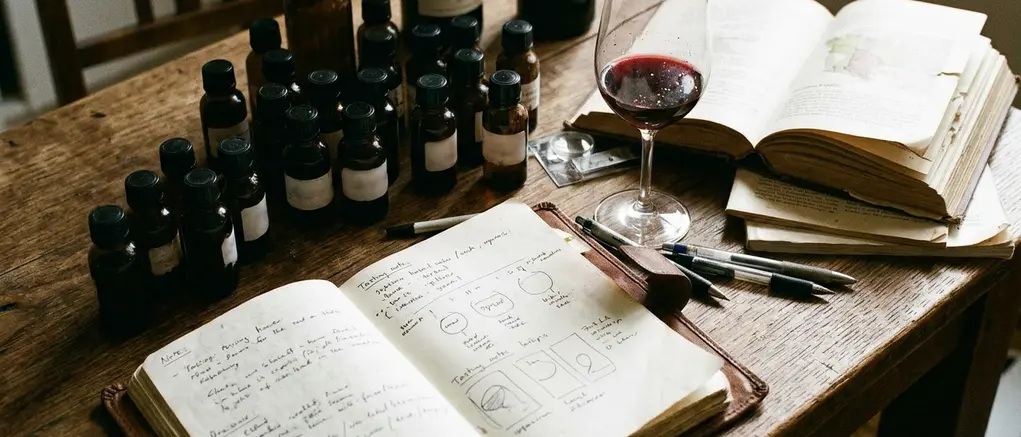
Aging markers manifest through the evolution of aromas and the physical transformation of tannins. The transition from primary fresh fruit to tertiary notes of dried fruit, leather, mushroom, and forest floor points directly toward maturation in the cellar. Across roughly 10 years in bottle, tannins undergo significant changes. They form larger complexes, some of which eventually precipitate out of the liquid as sediment. Compare the tactile grip on your palate with the visible deposit in the bottle rather than assuming age automatically makes every wine perfectly smooth.
Complete your sensory evaluation and lock in your notes before consulting any external materials. After tasting, consult historical harvest accounts rather than treating critical reviews as the final word on what you should be tasting.
Cementing Your Baseline with a Blind Pour
Reputation colors perception—a celebrated year often seems richer before anyone even takes a sip. Knowing the vintage printed on the label inevitably influences how a taster interprets the liquid in the glass. To counter this, reserve 30 mL per guest from one of the original bottles for a final exercise.
Always conclude your vertical tasting by having someone repour one of the vintages completely blind. Use an identical glass and a similar serving temperature for this repour; otherwise, those physical cues will immediately give the exercise away. A blind pour helps set aside preconceived notions, asking guests to defend their impression using only the structural evidence of acidity, fruit development, tannin, and oak.
Discuss the wine's likely position in the lineup before the reveal. Compare that blind judgment with the estate character identified during the first round of tasting. This final step removes the safety net of the label, testing whether you can identify the markers of time and climate in the glass.