Deconstructing the 72-Hour Window: Oxygen, Acetaldehyde, and the By-the-Glass Clock
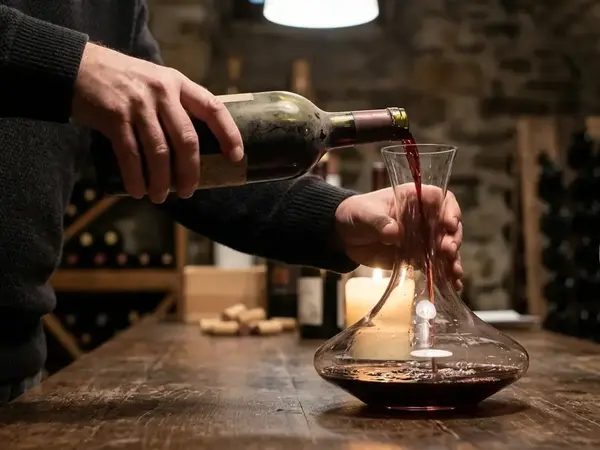
When a sommelier pours a glass of Pinot Noir from a bottle opened two days ago, what exactly keeps that wine from turning into expensive vinegar? The answer lies in managing a chemical reaction. Oxygen exposure initiates the conversion of ethanol into acetaldehyde. This compound introduces bruised-apple notes that can obscure the intended fruit profile. A wine suffering from acetaldehyde accumulation loses its vibrancy, tasting flat and tired on the palate. The ruby hues of a young red may also begin to show premature bricking or browning at the rim.
True vinegar requires a separate biological step involving acetic-acid bacteria. A 48-hour-old Pinot Noir often tastes muted and structurally compromised long before it smells of vinegar—a distinction that dictates how venues manage their inventory. Commercial wine programs use a 72-hour benchmark to manage this degradation. The 72-hour mark triggers a by-the-glass tasting decision; it does not certify an argon-treated or nitrogen-dispensed bottle as fresh. It serves as a stock-rotation checkpoint.
Sommeliers use this window to evaluate the wine's structural integrity. They assess whether the tannins have softened favorably or if the fruit has entirely dropped out. This timeline shapes how a venue curates its offerings and helps ensure that every pour reflects the winemaker's original vision. The clock starts ticking the moment the cork is pulled. Managing that clock requires both preservation and sensory analysis.
The Aromatic Cost of Vacuum Extraction
Vacuum pumps offer a familiar, inexpensive overnight measure for robust, tannin-heavy reds. A vacuum stopper removes ambient air from the headspace, reducing the oxygen available for subsequent reactions. Staff pump the stopped bottle after the final pour, refrigerate it upright, and taste it before the first pour the following day. The familiar clicking sound of the pump signals that a partial vacuum has been achieved. A vacuum does not remove oxygen already dissolved in the wine during the initial opening. It merely limits further surface exposure.
This mechanical extraction comes with a sensory cost. Reduced pressure draws volatile aroma compounds into the headspace and out through the pump. These delicate esters and terpenes define a wine's bouquet. A vacuum-stopped Pinot Noir can lose its red-fruit bouquet before it develops vinegar-like acidity. Pulling air out can also strip the wine of its most fragile aromatic components.
Warning: Aromatic Stripping in Delicate Vintages
Vacuum systems may not protect aromatic whites and lighter reds over a multi-day period. A practical comparison involves tasting the last glass at closing against the first glass 12 to 18 hours later. You may notice diminished floral or red-fruit aromas. The wine may retain its color and basic structure, yet it has lost the nuanced bouquet the guest paid to experience. This loss can affect carefully planned food pairings, as the aromatic bridge between the dish and the wine is weakened. Relying on vacuum extraction for delicate varietals can compromise the tasting notes you present to your guests. The initial savings on equipment may be offset by the degradation of the wine.
Argon Blanketing in the Tasting Room Workflow
Argon provides a chemical-free alternative for preserving structural integrity. As a heavy, inert gas, argon sinks toward the wine's surface. It displaces oxygen near the wine before resealing, without adding flavor-active chemicals. Apply argon immediately after a pour and reseal the bottle. Dosing an uncapped bottle at closing leaves intervening pours exposed to ambient air throughout the service.
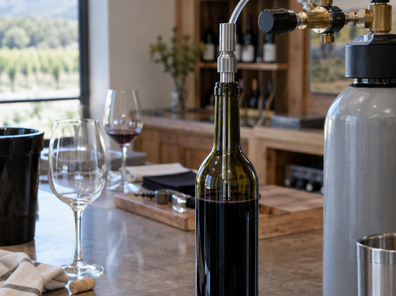
Tasting-room gas-preservation methods assume a temperature-controlled cellar environment and consistent staff handling. Argon does not form a permanent, sharply defined layer. Tilting, shaking, or storing a treated bottle horizontally mixes the headspace and disrupts its protection. Staff must reapply the gas after service handling and keep the bottle upright. Because the gas is invisible, its application calls for a consistent routine.
In a busy tasting-room workflow, staff compare the first pour with a later pour to check the fruit, acidity, and finish. These sensory checks matter more than assuming the presence of gas guarantees protection. Local winery guides may highlight these preservation techniques during behind-the-scenes tours, showing how careful handling protects the vintage. During high-volume service, immediate argon dosing matters. The gas limits exposure; the sommelier still needs to taste the wine.
Tap Efficiency: Nitrogen Displacement for Extensive Lists
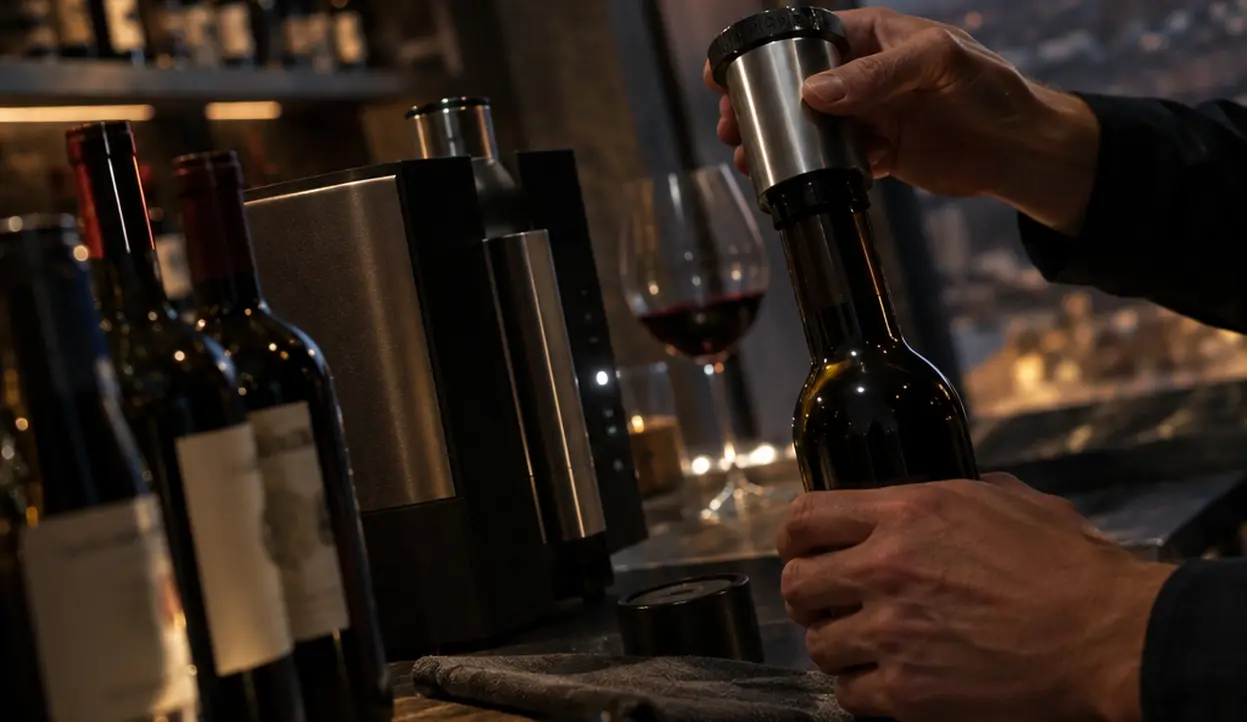
High-volume bars managing extensive by-the-glass lists may turn to integrated dispensing systems. Commercial nitrogen displacement systems connect a sealed bottle directly to a tap. As wine leaves the bottle, food-grade nitrogen occupies the vacated headspace. Staff serve successive glasses without repeatedly uncorking the bottle. During each pour, nitrogen replaces the volume of wine dispensed. It does not remove oxygen already dissolved during the initial opening or filling. These illuminated dispensers can also become a focal point in a dining room.
The purchasing decision follows the pour volume. Operators compare installation, gas, cleaning, and maintenance costs against the value of wine otherwise discarded after opening. These systems require regular sanitation to prevent bacterial buildup in the tap lines. The initial capital expenditure calls for a careful analysis of the venue's daily turnover and average glass price.
Operational Takeaway: The 72-Hour Tasting Protocol
For an extensive list, staff record the opening time and taste a sample at the start of each service through the 72-hour checkpoint. Discard a bottle that fails the tasting check even if it remains connected to the dispenser. The dispenser supports the tasting decision; it does not replace it. A nitrogen system can extend the viable pouring window, allowing venues to offer premium, low-turnover selections by the glass. Wine that might otherwise be discarded can remain available for service, provided it passes the tasting check. A sound glass of a rare vintage on day two helps justify the investment.
The Mandate for Inert Gas Beyond 24 Hours
Commercial venues and serious enthusiasts holding a bottle over 24 hours should consider inert gas rather than relying on a vacuum pump. Set a 24-hour decision point when choosing preservation for an open bottle. Assess it by taste rather than automatically serving it through day three. At 72 hours, compare the aroma, fruit definition, acidity, and finish with the wine's opening-day profile. Vacuum extraction can hasten the loss of aromatic compounds that make the wine compelling.
Argon offers a flexible reseal-and-dose routine for dynamic environments. A sealed nitrogen dispenser makes repeated pours easier to control in high-volume settings. Both methods help protect the winemaker's intended flavor profile, but neither removes the need to taste before serving. For a bottle approaching the 72-hour checkpoint, the decision belongs in the glass: pour a sample, compare it with the opening-day profile, and serve it only if the wine still holds up.