Beyond the Beaten Path in Wine Country
Major Tuscan routes deliver consistency. They also deliver crowds and scripted stops that prioritize volume over conversation.
Smaller estates change the equation. These places keep production low, often under 90,000 bottles for the wines discussed, and they treat visitors as guests rather than customers on a schedule.
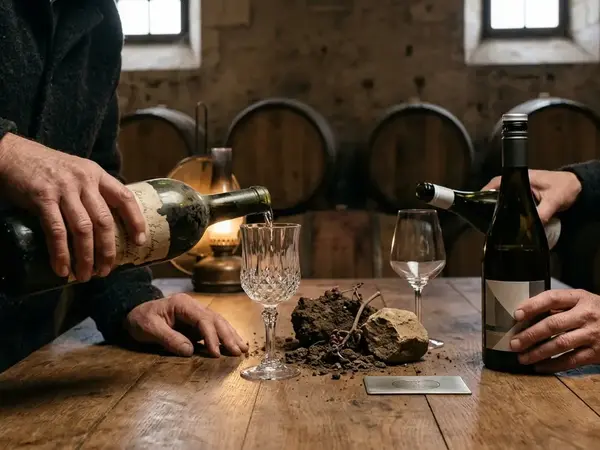
Our experience showed that when tastings stay under about 17 people per slot, the host can actually talk about soil and vintage instead of pushing cases.
Criteria for Our Curated Selection
We started with reputation, then removed any estate whose main visitor draw was a shop counter or restaurant add-on. The remaining sites had to meet four filters: limited volume, family ownership, clear sustainable or biodynamic work, and a terroir story worth hearing in person.
Weighting favored tasting intimacy at roughly 40 percent, followed by terroir distinctiveness at around 25 percent. Farming and cellar practice counted for close to 20 percent, with the rest given to how well the stop fit a realistic US traveler itinerary.
1. Podere Le Ripi: Biodynamic Brilliance in Montalcino
The estate sits in Montalcino and farms entirely by biodynamic rules. That choice shows up in the wines and in the way the land is worked.
One parcel stands out. The Bonsai vineyard plants vines at extreme density, the tightest layout of its kind anywhere. The result is a Brunello that carries tannin persistence past 40 seconds or so in a focused tasting.
Below ground, the cellar follows golden-ratio proportions so air and gravity move wine without pumps. The design rewards anyone who asks how the space itself shapes the wine.
2. Castello di Ama: Where Contemporary Art Meets Chianti
Located inside Chianti Classico, the estate keeps traditional winemaking while placing major contemporary works throughout the old hamlet and among the vines. The art does not replace the wine story; it simply shares the same ground.
Single-vineyard Gran Selezione bottlings reflect distinct parcels. More than half the discussion here centers on terroir and cellar decisions rather than the installations themselves.
Visitors who book ahead can walk the vineyards, see the art, and taste the differences parcel by parcel.
3. Tenuta di Trinoro: High-Altitude Elegance in Val d'Orcia
The property lies in a remote corner of Val d'Orcia. Cabernet Franc and Merlot dominate the plantings instead of Sangiovese, a deliberate departure that accounts for the majority of any serious conversation about the wines.
Sites sit above 400 meters. The elevation brings freshness and structure that let the wines age with clarity.
The setting feels rugged, and the drive in rewards patience. Those who make the trip taste wines that stand apart from the usual Tuscan template.
4. Salcheto: Off-Grid Innovation in Montepulciano
Salcheto operates without grid power in its gravity-fed cellar. Several operational details, from energy use to water handling, shape every visit.
The wines focus on the Prugnolo Gentile clone. Roughly two-thirds of the tasting value comes from comparing its expression against Sangiovese from neighboring zones.
Guests leave with a clear sense of how off-grid choices affect both the wine and the land.
Important Considerations for Your Visit
These are working farms, not hospitality venues. Advanced reservations remain essential, ideally about three to six weeks ahead for spring or autumn weekdays.
Harvest weeks from early September through mid-October often close the doors entirely. White roads can turn slow after rain, and rental cars feel every rut.
US visitors who plan to ship bottles home need to confirm state-level alcohol import rules before assuming a winery or courier can legally send purchases to their address.
Planning Your Tuscan Wine Itinerary
One or two appointments per day keeps the pace humane when properties sit more than 25 kilometers apart. Allocating most of a day to a single subregion raises the odds of relaxed tastings and safe transfers.
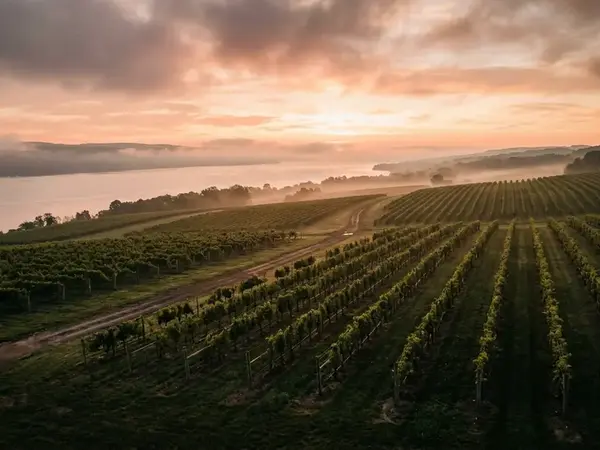
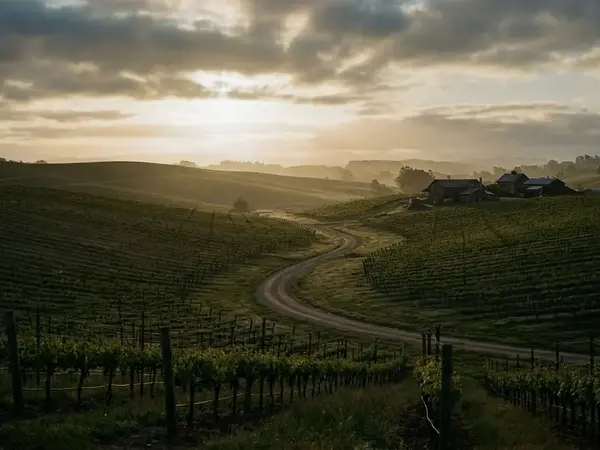
The real draw is not checking boxes. It is the chance to stand in a vineyard, ask direct questions, and taste the answers.