Three-Times-Wholesale Wine Pricing Has Lost Its Easy Justification
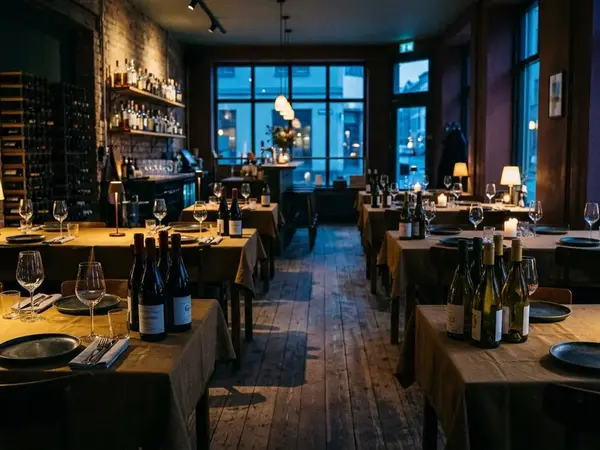
The automatic three-times-wholesale wine markup is a relic worth retiring. When a kitchen cannot cover its costs, that multiplier can make the wine drinker subsidize the shortfall. A guest ordering grower Champagne deserves a clearer explanation of the price than the dining room’s need to recover money somewhere.
This is a pricing argument, not an announcement that an industry standard has officially expired. The restaurant’s multiplier also has nothing to do with the producer–distributor–retailer distribution system. The question here is narrower: how much should a restaurant add to a bottle’s acquisition cost, and what does that addition pay for?
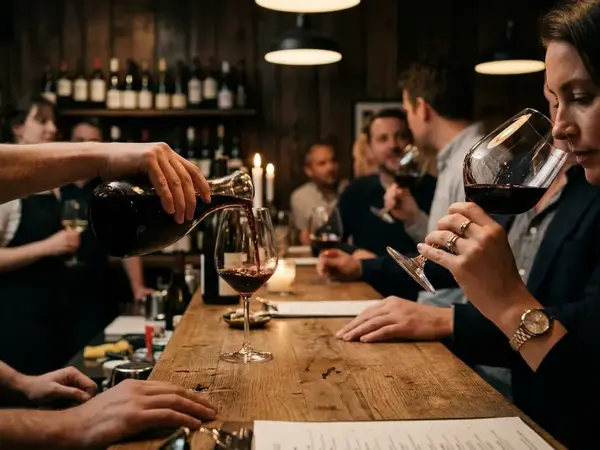
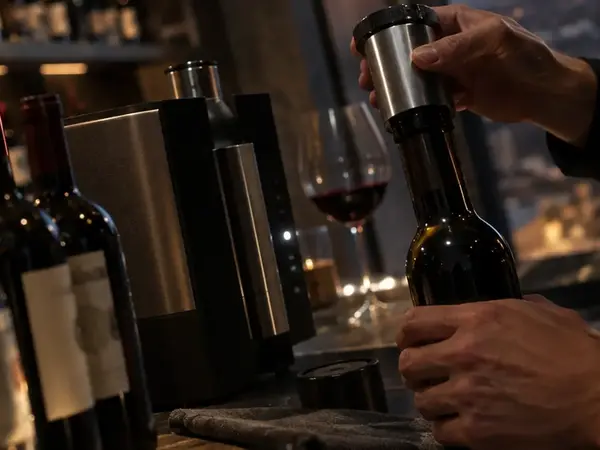
Hybrid bottle shops make the question difficult to ignore. Their proposition combines a visible retail shelf price with a flat charge for opening and serving the bottle. A compact tasting room can dispense with some formal-service overhead while retaining the pleasures that matter to many guests: appropriate glassware, useful tasting notes, and thoughtful food pairings.
Rare allocations sharpen the appeal, but a transparent price reveals only part of their economics. Access may depend on purchasing history and supporting orders of less-demanded wines. A desirable bottle on a shelf does not establish that the buyer obtained it without those commitments.
The comparison is most useful for independent urban dining rooms. Corporate steakhouse service, rural demand, and tourist-heavy trade can produce a different competitive picture. The useful discipline is to examine beverage management and sommelier service together: what does the bottle contribute, and what work does serving it require?
One Champagne Invoice, Two Very Different Selling Prices
Follow a single illustrative bottle of grower Champagne purchased for $40 wholesale. Assume both operators paid that amount. The difference below comes entirely from their selling structures.
| Pricing component | Restaurant | Hybrid bottle shop |
|---|---|---|
| Bottle acquisition cost | $40 | $40 |
| Listed bottle price | $120 | $60 |
| Separate on-site opening fee | None in this illustration | $20 |
| Guest’s on-site bottle total | $120 | $80 |
| Amount remaining after bottle cost | $80 | $40 |
The guest saves $40. The hybrid also retains $40 less than the restaurant before paying for service and overhead. Glasswashing, broken stems, and occupied seats still require funding. Calling the opening fee pure profit would conceal precisely the costs this comparison should expose.
Separate Shelf Turnover From Service Revenue
A take-home sale brings the hybrid $60 and leaves $20 after bottle cost. An on-site sale brings $80 and leaves $40. Take-home purchases can move stock without consuming seats; opening fees add revenue to bottles consumed on-site. Neither mechanism guarantees faster inventory turnover or a profitable floor.
I would test the proposition with a 28-day audit matching receiving records, bottle-level sales, opening-fee receipts, and ending inventory. Keep take-home units separate from on-site units. Otherwise, a busy tasting room can disguise slow shelf sales, while strong retail turnover can conceal expensive table service.
Give Every Square Foot a Job
Measure shelving, seating, circulation, and storage separately. For each area, compare contribution after directly attributable costs with occupied square feet and operating hours. A low-margin retail shelf needs productive stock; a seated area needs service revenue sufficient to justify the space.
Count the Glasswashing
Log shelf advice, checkout, bottle opening, table visits, and glasswashing in 15-minute blocks across two consecutive Friday–Saturday service cycles. “Low-touch” staffing must describe the actual workload, including the work guests never see.
The License Determines What a Bottle Shop Can Become
The storefront economics begin with a legal boundary: permission to offer samples does not automatically permit unrestricted paid glass pours or opening every retail bottle. Before describing a local hybrid boom as a licensing revolution, establish which permission makes the business possible.
That authority might sit within the base retail license, an added privilege, or a separate license. State alcohol permission must then be distinguished from municipal zoning, occupancy approval, and food-service requirements. A room that may sell sealed bottles does not necessarily have approval to seat customers and serve them.
A credible historical comparison would retrieve the relevant rule versions and effective dates, then verify the current rules before publication. Compare permitted consumption, food obligations, operating hours, and customer-accessible areas. Without that work, claims that regulation “rewrote” an entire city’s economics run ahead of the evidence.
The Alcohol and Tobacco Tax and Trade Bureau trade practice regulations provide a federal trade-practice reference. They do not establish a particular storefront’s state or municipal permission to serve wine.
Price the Kitchen Requirements Separately
A limited food offer may avoid some equipment and staffing associated with a full kitchen. Request separate build-out estimates for cooking exhaust and make-up air, grease management, fire suppression, dishwashing, refrigeration, and accessible toilets. Identify what the approved operation actually requires before assigning any saving.
The same discipline belongs in the operating budget. Monthly break-even sales equal fixed operating costs divided by the contribution-margin ratio after product costs and sales-linked expenses. A smaller kitchen lowers that threshold only when the actual cost schedule falls. Expensive rent, extensive table service, or mandatory food provision can absorb the apparent advantage.
Visible Shelves Let Guests Decide What Service Is Worth
For a guest choosing between the illustrative $80 opened bottle and the $120 restaurant listing, the decision becomes tangible: is formal dining-room service worth the additional $40 tonight?
That difference can remain unspent or pay for food. It should not automatically be described as access to a better bottle; that claim requires an identified alternative and its price. The more persuasive argument is control. Guests can decide how to distribute their evening’s budget.
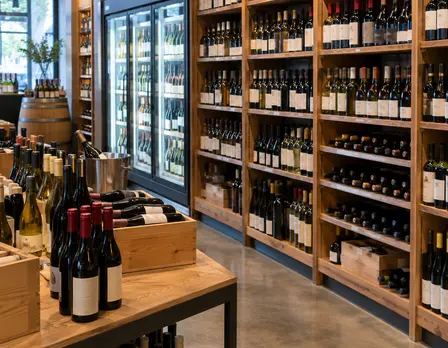
Shelves also change the conversation. A guest can inspect the producer, appellation, vintage, and importer information, then ask a buyer-sommelier a focused question. Back labels offer a starting point, while winery guides and tasting notes can supply context. This creates a practical opening for wine education without requiring the guest to navigate a large leather-bound list first.
- Establish the guest’s total bottle budget, including the opening fee.
- Present two bottles with contrasting styles and explain the sensory differences clearly.
- Confirm the complete pre-tax price before opening the chosen bottle.
The contrast should be concrete: a taut, citrus-led sparkling wine beside a broader, more textured option gives the guest something useful to choose between. Technical vocabulary earns its place when it clarifies the glass.
Small Plates Still Need Complete Costing
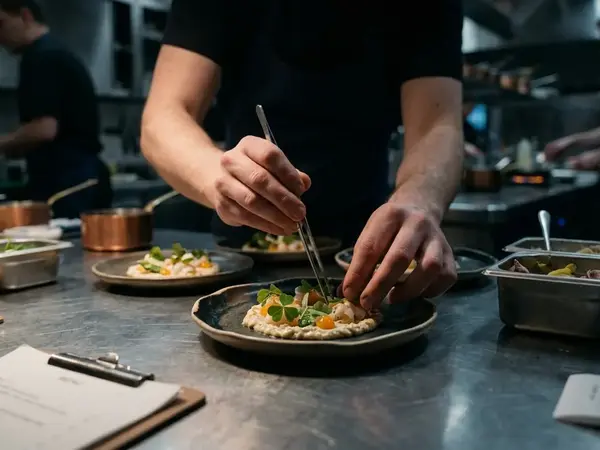
Tinned seafood with bread, a weighed portion of artisanal charcuterie, and a measured serving of fermented vegetables can satisfy the desire for food pairings without creating a three-course dinner operation. Cost the bread, butter or oil, garnishes, and unused product alongside the headline ingredient.
Pair with equal precision. Sparkling wine’s acidity can refresh the palate alongside rich seafood; salt and texture shape the experience too. Fermented vegetables bring their own acidity and intensity, so taste the actual combination rather than treating fermentation as a universal match for Champagne.
Reprice the Bottles Guests Already Order Before This Weekend
A traditional restaurant can respond without converting its dining room into a shop. Begin with the bottles guests already buy, then test whether the current pricing rewards trading up or makes every increase in acquisition cost disproportionately expensive.
Pull the twenty best-selling bottles by units from the preceding 28 days. Record units sold, current list price, landed replacement cost, opening inventory, receipts, and closing inventory. Calculate the dollars remaining after purchase cost and identifiable wine-service expenses. Historical invoice prices alone can mislead when replacing the bottle now costs more.
Test a Flat Addition on Higher-Cost Bottles
As an explicitly illustrative pilot, review bottles costing more than $60 wholesale at acquisition cost plus $45. A $70 bottle would list at $115; a $100 bottle at $145, before tax and gratuity. The $45 is a pricing component—not a finding that service costs exactly that amount, and not necessarily a separate corkage charge.
Check that contribution against the restaurant’s cost records. A sliding-scale schedule can retain more contribution on accessible bottles while reducing the penalty for choosing expensive wine. Where licensing permits, retail-to-go offers can add another purchasing occasion. Dedicated low-markup allocation nights can also give wine-focused happenings a clear proposition, provided the available stock and service workload support it.
Approve Before Printing
Keep the pilot tied to replacement costs, identifiable service expenses, and available inventory. A compelling price must still leave enough contribution to support the dining room.
Pull your current top-twenty bottle list today, cost-test the over-$60 bottles at a flat $45 addition instead of a percentage markup, and print the approved revised prices for this weekend’s dinner service.