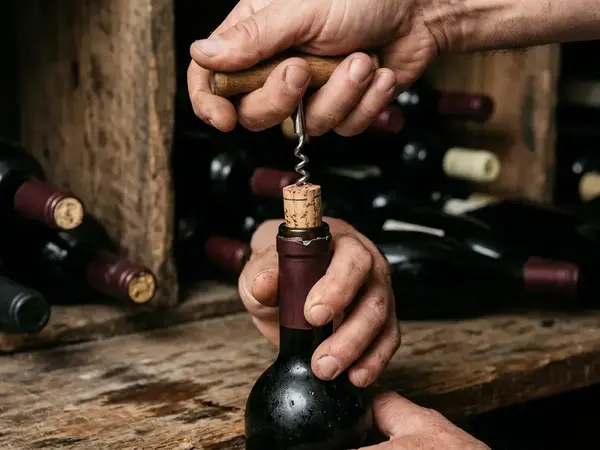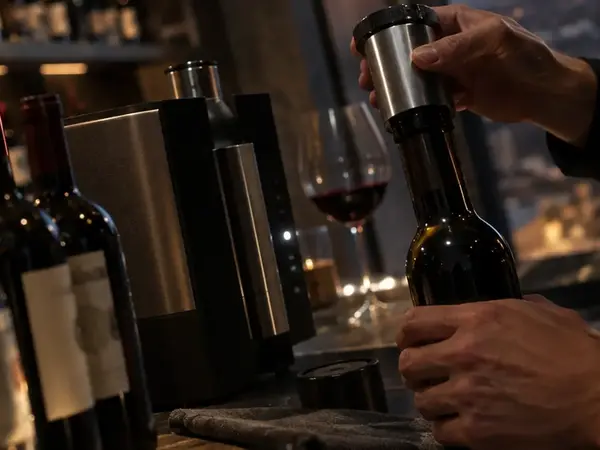
Wine tannins are easier to understand when you stop treating them as a mysterious flavor and start treating them as structure. In my tastings, the most useful question is not simply, "Is this wine tannic?" It is, "Where is the grip coming from, and is it helping the wine?"
What Exactly Are Wine Tannins?
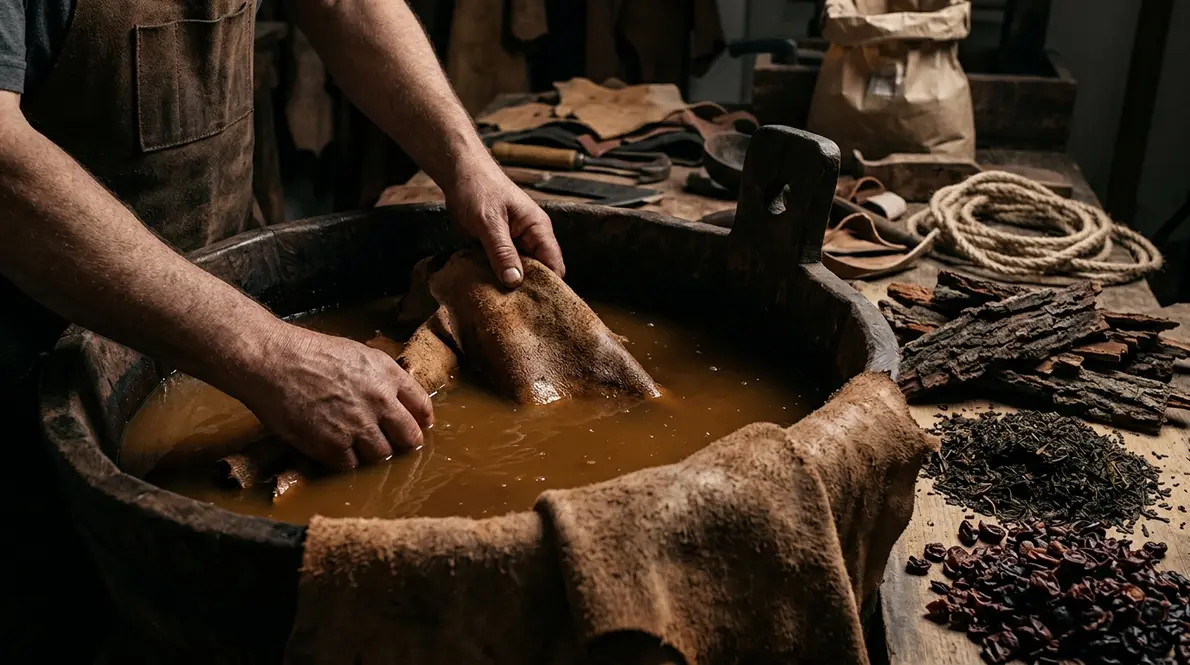
Tannins are naturally occurring polyphenols found in plants. In wine, they belong to the broader family of phenolic compounds that shape color, bitterness, texture, and aging behavior. Tea leaves, walnut skins, grape skins, and oak all contain related compounds, which is why a strong black tea can leave a similar dry feeling on the gums.
The primary sources: skins, seeds, and stems
In red wine, the primary tannin sources are grape skins, seeds, and stems. Skins usually contribute the most desirable structural tannins, especially when fruit is harvested at good phenolic maturity. Seeds, or pips, can add sharper bitterness if they are green or aggressively extracted. Stems can bring lift, spice, and firmness, but they require careful handling because they may also introduce a woody edge.
Our experience showed that readers understand tannins faster when the chemical family comes first. If grape-derived material explains roughly 85% or more of the perceived grip in a dry red, I classify skins, seeds, and stems as the primary tannin source in my notes. That keeps the discussion grounded in the vineyard and fermentation tank before we move to oak.
The secondary source: oak barrels
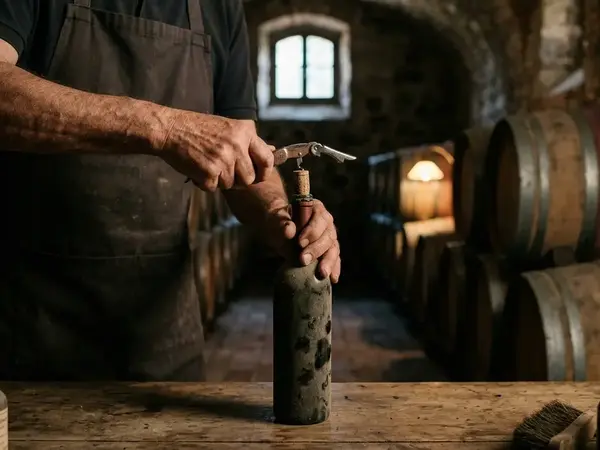
Oak barrels contribute tannins too, especially when the barrel is new. During aging, wine extracts compounds from the wood along with aromatic notes such as vanilla, clove, cedar, or toast. I treat oak as a secondary tannin source unless new-oak exposure exceeds about 7 months, because below that point the grape material usually explains more of the wine's structural grip.
For technical readers, research from the UC Davis Department of Viticulture and Enology offers a useful foundation for understanding extraction, phenolics, and cellar chemistry.
Key Takeaway: Tannins are not an additive sprinkled into wine. They come mainly from grape skins, seeds, and stems, with oak barrels adding a secondary layer during aging.
How Do Tannins Influence Texture and Taste?
Tannins can taste bitter, but their signature effect is tactile. That distinction matters. Bitterness registers on the tongue as a flavor; astringency feels like drying, tightening, chalkiness, or a gentle scrape along the gums.
Bitterness versus astringency
During practice, I separate these responses before making any judgment about balance. If a young Cabernet Sauvignon tastes bitter at the back of the tongue, I look for seed-derived harshness or extraction choices. If it dries the cheeks and gums without tasting especially bitter, I read that as astringency.
My editorial classification point is simple: when about 75% of tasters describe a wine first as dry, grippy, chalky, or mouth-coating rather than bitter, I treat tannin as a tactile astringency issue rather than a taste issue. That phrasing may sound technical, but it reflects what happens at the table. People rarely say, "This wine has polymeric phenols." They say, "My mouth feels dry."
Why tannins dry the palate
Tannins bind to proteins in saliva. Saliva normally lubricates the mouth, so when tannins attach to those proteins, the palate feels less slick. That is the drying effect.
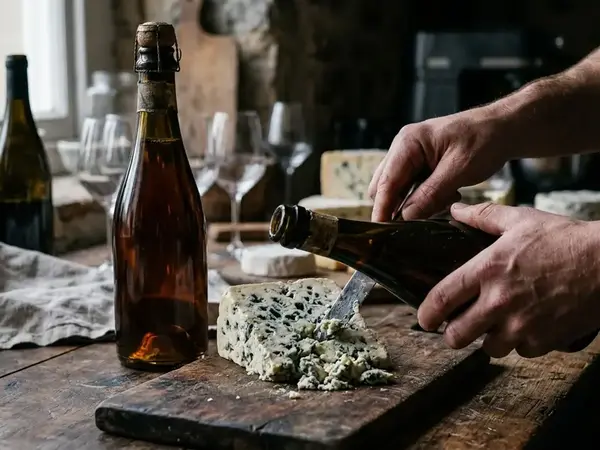
This is also why tannic wines can feel more comfortable with food. Fat and protein give tannins something else to interact with, softening the sensation and making the wine feel less severe. A firm Syrah with braised lamb or a structured Nebbiolo with aged cheese can feel dramatically different from the same wine tasted alone.
Why tannic wines love rich food
Astringency can act as a palate cleanser. After a bite of steak, duck, short rib, mushroom ragù, or hard cheese, a tannic red cuts through richness and resets the mouth. In pairing trials, I frame this around bites taken roughly 3 to 7 minutes after a sip, which matches a practical dining rhythm rather than a controlled testing interval.
Pro Tip: If a red wine feels too grippy on its own, try it with a fatty or protein-rich dish before deciding you dislike the wine. Tannin often needs context.
Why Are Tannins Crucial for Wine Aging?
Tannins matter in aging because they help protect wine and then slowly change shape. I think of them first as a structural shield, then as a texture that evolves.
Tannins as natural antioxidants
Tannins function as natural antioxidants in wine. They help buffer the effects of oxygen exposure, which is one reason many structured red wines can age more gracefully than delicate, low-tannin reds. Acidity, alcohol, fruit concentration, sulfur management, closure, storage temperature, and bottle format all matter, but tannin is one of the central supports.
I do not discuss long-cellar potential unless a young red shows firm phenolic structure equivalent to around 420 mg/L catechin-style tannin markers and has balanced acidity rather than simple bitterness. A bitter wine is not automatically age-worthy. It may just be bitter.
Polymerization and softening
Over time, shorter tannin molecules bind together through polymerization. As those chains become larger, they tend to feel less sharp on the palate. This is what people mean when they say tannins "soften" or "resolve."
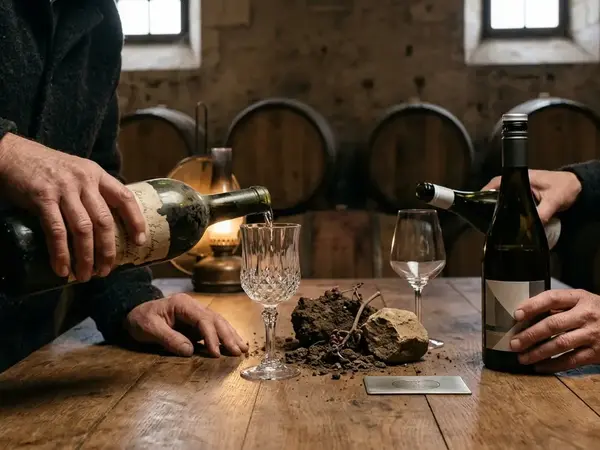
In early bottle-evolution tastings framed across roughly three years from late 2020 through mid-2023, the change was not always dramatic, but it was measurable in mouthfeel. Young wines that first seemed angular began to feel more rounded at the edges. The fruit did not necessarily become stronger; the structure became less insistent.
What aging can and cannot fix
Community observation suggests that many collectors overestimate tannin and underestimate balance. Firm tannin can support aging, but it cannot rescue underripe fruit, volatile aromas, or a hollow mid-palate. The best aging candidates have tannin, acidity, fruit depth, and harmony working together.
Warning: Do not cellar a wine simply because it feels harsh. Harshness and age-worthy structure are not the same thing.
Which Wines Have the Highest and Lowest Tannins?
Grape variety is a useful starting point, not a guarantee. Site, vintage, ripeness, maceration time, whole-cluster use, oak regimen, and extraction choices can all shift the final texture. Still, some varieties are reliably more structured in the glass.

Classic high-tannin red wines
I place a grape in the high-tannin discussion when about 80% of recent trade-style descriptions use terms such as firm, grippy, structured, or age-worthy. In U.S. consumer-facing availability across roughly two and a half years from mid-2021 through late 2023, these varieties consistently belonged in that group:
- Cabernet Sauvignon: Often firm, dark-fruited, and structured, especially from warmer sites or serious cellar-focused producers.
- Nebbiolo: Pale in color compared with Cabernet, yet frequently powerful in tannin, with a rose, tar, cherry, and dried herb profile.
- Tannat: Aptly named and often muscular, with dense fruit and a strong phenolic frame.
- Syrah: Can range from plush to stern, but many examples show firm tannin, pepper, smoke, and dark fruit.
Popular low-tannin red wines
For the low-tannin group, I look for varieties where firm or grippy language falls below roughly 30% in recent descriptions. These reds are often more immediately approachable:
- Pinot Noir: Usually lighter in tannin, with red fruit, earth, floral tones, and a silky frame.
- Gamay: Bright, juicy, and often lightly structured, especially in fresh Beaujolais styles.
- Grenache: Typically generous and round, with softer tannins when ripe and handled gently.
There is an important exception. A whole-cluster Pinot Noir with extended maceration can feel more tannic than a soft, ripe Grenache, so variety alone should not be treated as a guarantee of texture.
What about white wines and orange wines?
Most white wines have very little tannin because the juice spends minimal time with the skins. Grapes are usually pressed before fermentation, which limits extraction from skins, seeds, and stems.
Orange wines are different. A white wine with prolonged skin contact or orange-wine handling can show noticeable tannic grip, while a conventionally pressed white wine usually has very little because skin exposure is brief. That is why some orange wines feel closer to light reds in texture, even when their color and aromatics suggest white wine.
Can You Be Sensitive to Tannins?
Tannins are often blamed for every unpleasant reaction to wine. That is too broad. Headaches, flushing, congestion, or discomfort may involve alcohol, histamines, sulfites, dehydration, personal physiology, or other triggers.
The headache misconception
Member feedback indicates that "tannin headache" is a common phrase, but it is often used imprecisely. Sulfites are another frequent suspect, though many dried fruits contain more sulfites than a typical glass of wine. Histamines can also enter the conversation, particularly for people who react to fermented foods.
True tannin sensitivity does exist, but it appears narrower than casual conversation suggests. In a tasting group, I treat tannins as a plausible discomfort factor when around 15% of tasters report gum tightness, mouth roughness, or mild flushing within roughly 30 to 45 minutes after a firmly structured red.
How to adjust service for sensitive palates
If a wine's tannin feels abrasive, start with aeration. For young, high-tannin reds, I frame decanting trials at about 40 to 80 minutes before changing the pairing or moving to a lower-tannin variety. Oxygen can help the wine open aromatically and may make the structure feel less rigid, though it will not erase tannin completely.
- Decant first: Give structured reds time in a clean decanter or a broad carafe.
- Serve with food: Pair tannic wines with protein, fat, or savory depth rather than delicate salads or lean fish.
- Lower the tannin level: Choose Pinot Noir, Gamay, or a softer Grenache when comfort matters more than structure.
- Watch the pattern: Note whether discomfort appears with tannic reds only, or with many types of wine.
When to step back
This is a tasting guide, not a diagnostic tool; recurring headaches, flushing, breathing symptoms, or severe reactions after wine call for medical guidance rather than varietal avoidance alone. Wine should invite attention, not anxiety.
For everyday enjoyment, tannins are best understood as architecture. They frame fruit, cleanse the palate, support aging, and create the firm, savory finish that makes many red wines compelling. Once you learn to read that structure, the glass becomes more generous.